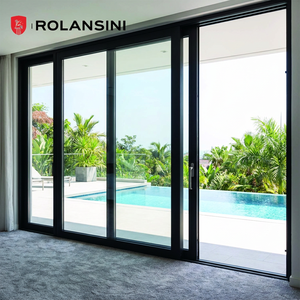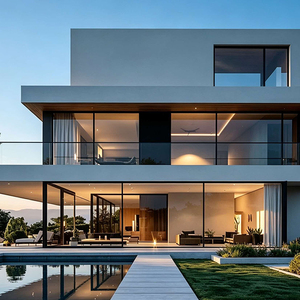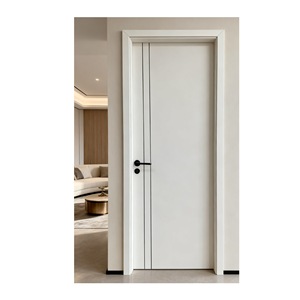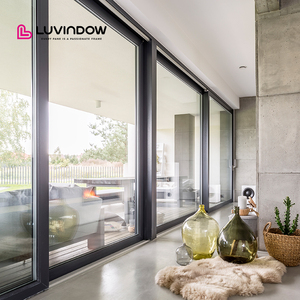
Luvindow Hurricane Impact Thermal Break Exterior Patio Aluminium Sliding Doors With Argon Low E Tempered Aluminium Glass Door
- Profile: 6063-T6 Polyamide Thermal Break
- Glazing: Double Argon Low-E Tempered
- Resilience: Extreme Tropical Typhoon Rated
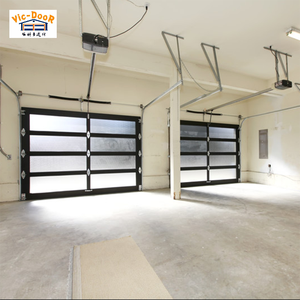
Engineered in Foshan, China with world-class extrusion alloys, thermal break barriers, and multi-point hardware configurations designed to meet international specifications across residential and commercial developments in Myanmar.
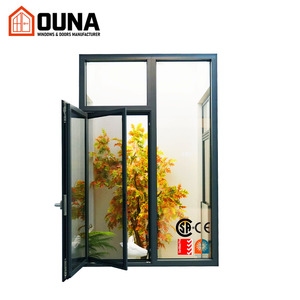
Myanmar's climate encompasses tropical monsoon belts, coastal cyclone corridors, and high-altitude highland valleys. Top-hung aluminum awning windows represent the architectural pinnacle of moisture isolation and energy efficiency.
Myanmar experiences intense rainfall between June and October, often exceeding 2,500 mm annually in Yangon and Mawlamyine. Aluminum awning windows hinge outward from the top, creating a continuous structural glass canopy. This geometric orientation enables cross-ventilation during torrential downpours without water ingress, keeping interior spaces fresh and mold-free while minimizing mechanical cooling reliance.
Due to frequent power shedding and climbing commercial electricity tariffs across Yangon and Mandalay, building envelopes must reduce thermal conductivity. Our awning systems utilize virgin 6063-T6 aluminum alloys fitted with German Technoform PA66 GF25 thermal breaks and Low-E double glazing with argon cavities, cutting indoor solar heat gain coefficients (SHGC) down to 0.26 and reducing air conditioning operational costs by up to 34%.
Unlike sliding configurations where brush piles degrade in heavy humidity, DERCHI awning windows feature co-extruded ternary EPDM vulcanized sealing gaskets. When locked using our multi-point concealed transmissions, the sash creates continuous compression against the frame. Tested to 600 Pa water tightness and 4500 Pa wind resistance, they easily withstand Bay of Bengal tropical storms.
A rigorous material comparison demonstrating why Chinese high-precision engineered fenestration eliminates typical field failures common with local generic fabrication.
| Performance Indicator | DERCHI Heavy-Duty Awning Window System | Generic Myanmar Market Window Profiles | Impact on Building Longevity |
|---|---|---|---|
| Aluminum Ingot Standard | Primary Virgin 6063-T5 / 6063-T6 Billet (1.8mm - 2.2mm Wall Thickness) | Recycled Low-Purity Scrap Alloys (1.0mm - 1.2mm Non-Uniform) | Prevents frame sagging, deflection, and stress cracking under monsoon wind loads. |
| Surface Treatment | AkzoNobel Qualicoat Class 2 Powder / PPG 3-Coat PVDF Coating (≥30μm) | Low-grade uncertified anodizing or thin decorative liquid painting | Guarantees 25+ years anti-chalking, non-fading color, and protection against coastal salt air. |
| Water Tightness Rating | Class 9A (Tested to 600 Pa without internal leakage under dynamic water spray) | Class 2A / 3A (Leaks routinely at 150 Pa during standard Yangon squalls) | Protects luxury interior drywall, teak parquetry, and interior decor from structural water damages. |
| Locking Mechanism | Patented 4-Side Multi-Point Concealed Transmission with Mushroom Cams | Single-Point Crescent or Simple Center Cockspur Latch | Delivers enhanced anti-burglary protection and eliminates perimeter gasket warping over time. |
| Glazing Cavity | 5mm Low-E + 16A Argon Filled + 5mm Tempered Safety Glass | 4mm - 5mm Single Clear Float Glass without safety tempering | Dramatically cuts thermal bridge heating and provides substantial 38 dB traffic sound reduction. |
From riverfront high-rises to arid central valleys and mountainous tourist enclaves, our fenestration systems are tailored to the unique environmental stressors of Myanmar.
Subject to torrential southwest monsoons and intense riverine humidity along the Yangon River. Our systems integrate sub-sill drainage valleys and acoustic dampening, filtering street congestion from Kamayut, Dagon, and Bahan townships while sealing against vertical wind shear.
Mandalay, Sagaing, and Naypyidaw experience extreme summer temperatures exceeding 42°C alongside dry winds and airborne dust. Thermal break awning windows reflect searing radiant heat, maintaining climate-controlled indoor living without overstressing auxiliary generators.
In Taunggyi, Kalaw, and Inle Lake, significant diurnal temperature swings cause indoor glass condensation. Our thermally isolated warm-edge spacer glass prevents condensation runoff, preserving structural timber frames and high-end resort millwork.
Hotels across Ngapali, Chaungtha, and Ngwesaung face aggressive maritime salt spray and cyclone gale winds. We equip our awning windows with 316 marine-grade stainless hardware and C5-M fluorocarbon coatings to resist structural pitting and galvanic corrosion.
How progressive property developers, government infrastructure contractors, and boutique hoteliers are upgrading their window schedules to achieve durability and prestige.
Historically, Myanmar residential design relied heavily on native teak frames and manually adjustable glass jalousie louvers. However, teak wood suffers from swelling during humidity spikes and rotting under termite attacks, while glass louvers allow significant air leakage, letting fine dust, insects, and humidity infiltrate air-conditioned spaces. Contemporary developments in StarCity, Golden Valley, and 6.5 Mile are replacing louvers with high-performance aluminum awning and casement profiles, achieving clean minimalist aesthetics, zero maintenance, and complete acoustic isolation.
Unreliable municipal power supply across major urban centers has shifted architectural priorities toward passive environmental design. By positioning top-hung awning windows strategically at higher wall elevations alongside fixed vision glass, architects utilize natural thermal buoyancy (the stack effect). Warm air rises and escapes through the awning sash, while the angled glass shield prevents unexpected rain squalls from flooding floors, significantly decreasing baseline reliance on diesel standby generators for mechanical ventilation.
Developers are bypassing intermediary distributors who stock non-certified domestic extrusions, choosing direct partnership with accredited Chinese manufacturers. By working directly with our Foshan manufacturing headquarters, general contractors in Myanmar receive fully crated, mill-certified, prefabricated units manufactured under stringent CNC tolerances. This eliminates inaccurate manual miter joints and unsealed screw holes that commonly cause water leakage during monsoon installations.
Security is a prime consideration for residential compounds, bank branches, and luxury villas throughout Myanmar. Traditional iron security grills visually obstruct sightlines and impede emergency egress. DERCHI addresses this through our patented Four-Side Six-Point Anti-Theft Lock, hidden multi-point locking rods, and integrated 304 stainless steel insect/security wire meshes (diamond mesh screens) that prevent forced entry while preserving uninterrupted architectural panoramas.
A premier Chinese manufacturer and exporter delivering 25+ years of precision engineering, 100+ national patents, and custom architectural glazing solutions to builders across Southeast Asia.
Our 180,000 m² industrial facility in Foshan employs digital dual-axis cutting saws, automated CNC machining centers, and hydraulic corner-crimping equipment that injects two-component structural corner adhesives. This process guarantees 0.1 mm precision joint tolerances, ensuring seamless sash-to-frame sealing and eliminating diagonal racking during containerized export to Myanmar.
Our window and door assemblies are engineered to rigorous international standards, holding CE (European Union), NFRC (United States), AS2047 & AS1288 (Australia), CSA (Canada), and ISO 9001 quality management accreditations. Myanmar engineering consultants and structural designers can specify our products with full testing documentation for structural wind load, air infiltration, and water penetration resistance.
We provide full-process project coordination: shop drawing production, structural wind-pressure analysis, glass thermal simulations, customized export fumigated timber crating, and direct maritime shipping arrangements into Yangon (MIP / AWPT / MITT ports) or overland delivery through the Ruili-Muse economic border corridor.
Crucial commercial, logistical, and technical insights for Myanmar developers, contractors, and trading companies importing architectural aluminum windows from China.
Maritime ocean freight from South China (Nansha/Shekou) to Yangon ports (Myanmar International Terminals Thilawa - MITT or Asia World Port Terminal - AWPT) typically takes 10 to 14 days via direct or feeder container services transiting Singapore or Port Klang. Standard production lead times for custom architectural awning windows range between 25 and 35 days from approved shop drawings.
Yes. For expedited or smaller consignments destined for Mandalay, Lashio, or Shan State, overland cross-border trucking via the Ruili (Yunnan) to Muse (Myanmar) land port can be arranged. However, for large-scale multi-story projects, maritime full container loads (20GP or 40HQ) directly into Yangon Port remain the safest and most cost-effective method to protect double-glazed glass units from rough mountain road transit.
Yes. As a certified Chinese manufacturer, DERCHI provides official Certificate of Origin Form E documents along with full commercial invoices and packing lists. This documentation enables Myanmar importers to access preferential import duty rates under the ASEAN-China Free Trade Agreement, reducing overall landed customs clearance expenses.
All finished window sashes and frames are sealed in waterproof thermal-shrink film, fitted with high-density EPE corner protectors, and packed into reinforced composite wooden crates with internal rubber shock strips. Glass panels feature non-marking protective films to prevent scratching, and desiccant bags are sealed inside all crating to eliminate moisture condensation during sea voyage.
We work with international commercial banking terms, including Telegraphic Transfer (TT) with an initial engineering deposit and final balance against Bill of Lading (B/L) copy, as well as confirmed Irrevocable Letters of Credit (L/C at sight) issued through accredited international financial institutions, ensuring financial compliance and transparency.
Yes. Every order is supplied with detailed bilingual (English/Chinese) shop drawings, anchorage layout schedules, sub-frame waterproofing diagrams, and video assembly tutorials. For major commercial developments, hotels, or luxury residential subdivisions, our technical facade engineers can provide remote video support or deploy on-site installation supervisors to guide local contractors through proper sealing, anchor torquing, and gasket alignment.