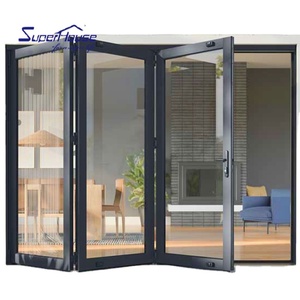
Engineered Fenestration Systems
High-Performance Architectural Windows & Doors Portfolio
Explore our factory-direct, international code-compliant aluminum window and facade assemblies, tested under severe wind loading and torrential tropical monsoon conditions.
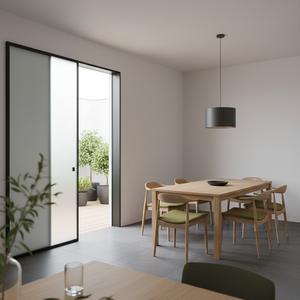
Minimalist Architectural
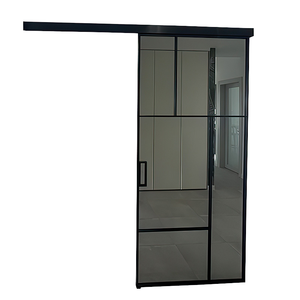
RG40 Aluminum Hidden Track Windproof Slim Frame Interior Glass Sliding Door
Technical Data
Engineering White Paper
Optimizing Louvred Envelopes for the Philippine Archipelago
Mitigating tropical heat gain while maximizing natural airflow under the strict structural demands of the National Structural Code of the Philippines (NSCP 2015).
In equatorial and tropical maritime climates like the Philippines, fenestration engineering extends far beyond static daylight admission. The Philippine archipelago experiences average annual relative humidity levels ranging between 75% and 88%, coupled with solar ultraviolet radiation indices that consistently peak at extreme thresholds (UV Index 11+). Simultaneously, the nation lies directly within the Western Pacific Typhoon Belt, absorbing an average of 20 tropical cyclones annually, where wind velocities can surpass 250 km/h (Category 5 Super Typhoons) accompanied by severe horizontal rain loads.
Traditional fenestration—such as standard sliding or awning windows—restricts total clear opening areas to a maximum of 40% to 50%, choking natural convective cycles and exponentially driving up Mechanical, Electrical, and Plumbing (MEP) air conditioning cooling loads. Conversely, high-precision Aluminium Louvre Window Systems provide up to 95% unobstructed cross-ventilation when open, creating rapid indoor thermal displacement through the Venturi and stack effects. However, deploying louvre systems across Philippine luxury high-rises, coastal villas, and hospitality complexes requires an uncompromising structural methodology to avoid water penetration and blade flutter.
Aerodynamic Pressure Relief
Louvre blades act as dynamic fluid deflectors. Under localized micro-cyclonic turbulence, engineered dual-pitch elliptical aluminum blades minimize negative suction pressures along building envelope edges, lowering cyclical mechanical fatigue on facade anchors.
Cascading Water Management
Tropical Habagat (Southwest Monsoon) storms drive precipitation horizontally at high static pressures. DERCHI louvre assemblies incorporate stepped baffle drainage, internal weeping channels, and dual Santoprene/EPDM inter-blade gaskets rated for severe precipitation.
Marine Coastal Metallurgy
Constructed from virgin architectural aluminum alloy 6063-T5/T6 with wall thicknesses exceeding 2.0 mm. Protected by Qualicoat Class 2 certified architectural powder coating or 25-micron Fluoropolymer (PVDF) finishes resisting 3,000+ hours of continuous salt-fog testing.
Archipelagic Deployment
Localized Application Scenarios Across the Philippine Islands
From dense urban CBD high-rises to aggressive coastal island micro-climates, our louvre configurations fulfill specialized programmatic requirements.
Metro Manila & BGC
Urban High-Density High-Rises & Condominiums
In Bonifacio Global City, Makati, and Ortigas CBDs, high-rise developments require automated ventilation plant rooms and luxury residential balcony screening. Our motorized acoustic aluminum louvres integrate directly into Building Management Systems (BMS), damping urban traffic noise while permitting high CFM airflow for mechanical rooms.
Boracay, Siargao & Palawan
Luxury Coastal Resorts & Eco-Villas
Island hospitality projects prioritize biophilic indoor-outdoor transitions and low-energy passive comfort. Custom glass louvre systems using 6mm–10mm tinted Low-E toughened blades provide panoramic ocean vistas, solar heat reflectance, and natural sea-breeze circulation without admitting blowing monsoon rain.
Metro Cebu & Davao
IT-BPO Complexes & Mixed-Use Commercial
Rapidly expanding commercial corridors require sustainable facade solar shading (Brise-Soleil). Our architectural aerofoil louvre systems drastically reduce solar heat gain coefficient (SHGC) values along eastern and western curtain walls, safeguarding interior comfort and slashing baseline chiller power demands.
Laguna, Batangas & Clark
Industrial Warehousing & Manufacturing Hubs
Export zones like PEZA require durable, high-volume gravity intake and exhaust louvres that stop driving rain without consuming electrical power. DERCHI's industrial windproof continuous louvre modules resist severe lateral windloads while protecting sensitive robotic manufacturing floors.
Regulatory & Green Architecture Trends
The Transformation of Philippine Architectural Standards
Aligning window system engineering with the Philippine Green Building Code (PGBC) and BERDE (Building for Ecologically Responsive Design Excellence) green rating certification.
Evolution from Fragile Jalousies to Structural Facade Modules
For decades, residential and commercial buildings throughout the Philippines utilized rudimentary manual jalousie windows. While these early systems demonstrated the immense benefits of passive cross-ventilation, their thin aluminum clips, non-tempered float glass blades, and absence of inter-blade weather seals rendered them fundamentally vulnerable during typhoons. Water leakage, catastrophic blade blow-out, and high burglary susceptibility severely diminished their viability.
Today, the Philippine Department of Public Works and Highways (DPWH) and city building officials enforce rigorous structural engineering standards under the National Structural Code of the Philippines (NSCP 2015 Section 207). Contemporary projects mandate verified wind pressure performance ranging from 2.0 kPa up to 4.5 kPa in high-exposure Zone 1 regions. Heavy-duty aluminum structural louvres have emerged as the high-integrity modern successor, marrying expansive convective ventilation with certified structural safety.
Meeting BERDE & PGBC Energy Efficiency Mandates
The Department of Energy (DOE) and the Philippine Green Building Council actively promote envelope thermal performance to combat rising electrical tariffs. High-performance louvred facades contribute directly toward green building certification through three primary mechanisms:
- Daylight Harvesting Without Thermal Penalty: Utilizing translucent glass louvres or perforated aluminum blades to reflect radiant infrared heat while admitting diffuse daylight deep into floorplates.
- Passive Convective Night Purging: Dissipating stored thermal mass from reinforced concrete structures during cool tropical nights via continuous louvre ventilation.
- Reduced HVAC Equipment Sizing: Lowering overall peak cooling tons through external Brise-Soleil shading elements engineered into the window frame perimeter.
| Performance Metric | Legacy PH Jalousie Windows | Standard Commercial Louvres | DERCHI Heavy-Duty Typhoon Louvres |
|---|---|---|---|
| Alloy & Profile Wall Thickness | 0.8 mm – 1.0 mm (Commercial Grade) | 1.2 mm – 1.4 mm 6063-T5 | 2.0 mm – 3.0 mm Architectural 6063-T6 |
| Wind Pressure Resistance (NSCP 2015) | < 1.0 kPa (Frequent failure in storms) | 1.8 kPa – 2.4 kPa | 3.0 kPa – 5.0 kPa (Typhoon Certified) |
| Water Penetration Resistance (ASTM E331) | No dynamic water seal (Severe leaks) | 150 Pa – 250 Pa | 450 Pa – 700 Pa (Zero water breach) |
| Weatherproofing Seals | None (Metal-on-glass friction) | Standard PVC wiper seals | Continuous High-Memory EPDM / Santoprene |
| Surface Protection (Coastal Salinity) | Basic Mill Finish or thin Anodizing (Pits in 12 mo.) | Standard Powder Coat (AAMA 2603) | PVDF Fluoropolymer / AAMA 2605 (10-25 Yr Warranty) |
| Acoustic Attenuation (Rw / STC) | Negligible (< 15 dB) | 20 dB – 24 dB | Up to 34 dB (With acoustic blade dampeners) |
Procurement & Technical Consultation
Frequently Asked Questions by Philippine Developers & Builders
Essential answers regarding structural compliance, logistics, monsoon sealing, and custom manufacturing for projects in the Philippines.
Q How do DERCHI aluminum louvre systems comply with the NSCP 2015 Wind Load provisions?
Every fenestration schedule is reviewed against the National Structural Code of the Philippines (NSCP 2015) parameters. We verify the specific wind zone exposure (Zone 1, 2, or 3), building height, topography factors, and calculate required section modulus. We reinforce mullions with internal structural steel or thick-wall aluminum ribs to comfortably withstand positive and negative design wind pressures up to 4.5 kPa (over 270 km/h wind gusts).
Q How is water penetration prevented during severe Habagat (monsoon) tropical storms?
Unlike standard jalousies, our architectural louvre windows integrate overlapping interlocking blade profiles equipped with UV-stabilized, high-compression EPDM or Santoprene gaskets. The perimeter sub-frame incorporates hidden cascade drainage weeps with non-return baffle valves, preventing wind-driven back-pressure from driving moisture into building interiors.
Q Which surface coating is recommended for oceanfront resorts in Boracay, Palawan, or Siargao?
For installations situated within 3 kilometers of open seawater, we strongly specify 3-coat Fluoropolymer PVDF (polyvinylidene fluoride) liquid coatings complying with AAMA 2605 or Qualicoat Seaside-grade class 2 powder coatings. These provide superior resistance to airborne chlorides, salt crystallization, and intense tropical solar UV degradation, backed by our 10 to 25-year finish warranties.
Q Can DERCHI louvre windows integrate anti-insect screens and security stainless mesh?
Yes. All louvre window frames can be customized with integrated, factory-fitted 304 or 316 marine-grade stainless steel security mesh (0.8mm wire gauge), fiberglass insect netting, or interior burglar bars. The screens remain unobtrusive, permitting full blade adjustability (from 0° to 90°) while preventing insect intrusion during tropical dusk and evening ventilation cycles.
Q What are the maritime shipping lead times to major Philippine sea ports?
Our Foshan manufacturing facility is situated adjacent to Guangzhou, Nansha, and Shenzhen deep-water ports. Sea freight transit times to the Port of Manila (North/South Harbor) typically average 4 to 7 days, and 7 to 10 days to Cebu or Subic Bay. Full production cycles range from 25 to 35 days depending on profile finishes and glass specifications, ensuring rapid project timelines compared to European or American suppliers.
Q Are motorized and automated BMS-controlled louvres available for commercial properties?
Yes. We provide 24V DC / 230V AC linear and chain actuator motorized systems that connect seamlessly with automated Building Management Systems (BMS), smart home controllers, or local rain and wind sensors. During sudden storm events, rain sensors trigger the motorized mechanisms to seal all louvre assemblies instantly without manual operator intervention.
Q What options exist for glass louvre blades versus solid extruded aluminum blades?
We supply both. Glass louvres utilize 6mm, 8mm, or 10mm tempered safety glass (clear, tinted, frosted, or reflective Low-E) with ground pencil-polished edges. Solid aluminum blades feature single-skin or double-wall hollow aerofoil extrusions with internal acoustic damping insulation, ideal for mechanical penthouses, emergency generator rooms, and utility enclosures requiring privacy and maximum weather protection.
Q Does DERCHI provide on-site technical support and shop drawing verification for Philippine projects?
Our 8-step engineering process encompasses comprehensive structural calculation reviews, system R&D, bilingual shop drawings (CAD/BIM), mock-up fabrication, pre-shipment quality audit certifications, and detailed on-site installation guidance manuals or remote video-guided engineering verification for local general contractors and site engineers.
Direct Factory Quotation & Architectural Service
Equip Your Philippine Development with Code-Certified Louvres
Send your architectural elevation schedules, opening dimensions, and target wind load specifications. Our structural engineering team will deliver a comprehensive project quotation, structural compliance analysis, and tailored fenestration proposal within 24 hours.