Engineered Aluminum Doors & Architectural Partition Portfolios
Tested for extreme cycle endurance, acoustic isolation, vapor impermeability, and coastal structural deflection. Select standard models or tailor configurations to engineering submittals.
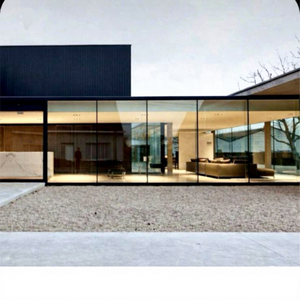
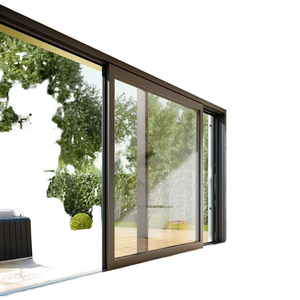
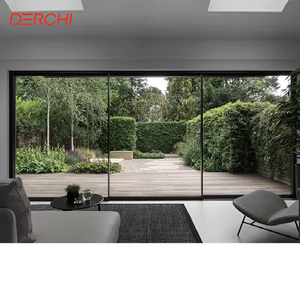
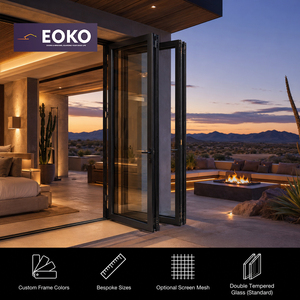
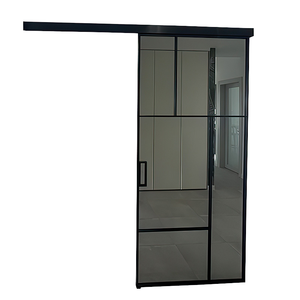
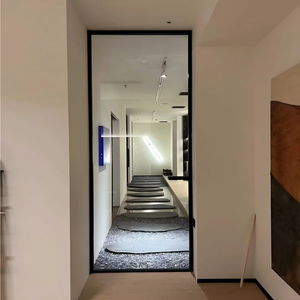
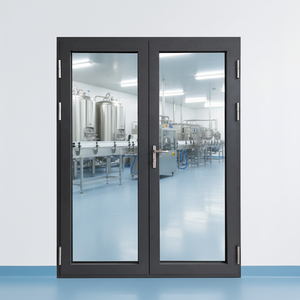
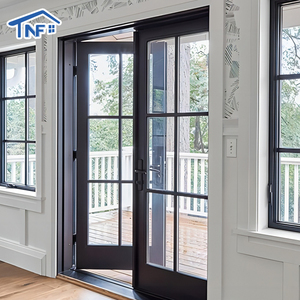
High-Performance Aluminum Kitchen Doors: Engineering Dynamics
Analyzing thermal dissipation, negative pressure oil-fume containment, cycle fatigue endurance, and coastal durability standards for commercial-grade and premium residential fenestration.
Alloy Metallurgy: 6063-T5 vs. 6063-T6
Modern luxury kitchens demand ultra-narrow profiles that support massive architectural glass units. By adopting aviation-grade 6063-T6 extrusions with targeted web-thickness exceeding 2.0 mm, internal deflection under dynamic wind load and heavy operational cycling is eliminated.
- Tensile Strength: ≥ 240 MPa
- Yield Strength: ≥ 190 MPa
- Hardness (Webster): ≥ 12-14 HW
Acoustic & Vapor Barrier Science
Kitchen spaces generate concentrated humidity, volatile organic compounds, and high sound levels. Our multi-chamber internal extrusion designs incorporate co-extruded EPDM vulcanized gaskets and continuous PA66 GF25 thermal bridges to lock odors and noise within the cooking zone.
- Acoustic Attenuation: Rw 35dB - 42dB
- Air Permeability: Class 4 (EN 12207)
- Vapor Barrier Sealing: Continuous Compression
Severe Corrosion & Grease Resistance
Cooking surfaces subject adjacent frames to vaporized animal fats and saline air in tropical coastal settings. We apply chemical-resistant AkzoNobel fluorocarbon (PVDF) coatings and marine-grade hard anodization up to 25 microns to prevent chalking, pitting, and delamination.
- Neutral Salt Spray: ASTM B117 > 4,000 hrs
- Abrasion Index: ASTM D968 Certified
- AAMA 2605 Architectural Adherence
Engineering Comparison: Aluminum Kitchen Systems vs. Conventional Doors
A rigorous breakdown evaluating load tolerance, thermal bridging, maintenance lifecycle, and environmental performance across diverse building applications.
| Performance Criterion | Commercial Grade DERCHI Aluminum Systems | Standard uPVC Framing | Engineered Solid Wood Profiles |
|---|---|---|---|
| Structural Deflection | Exceeds L/300 under high negative pressure; supports up to 450kg heavy glazed panels. | High thermal expansion coefficient; prone to sashing under large glass dimensions. | Vulnerable to warp and torsion driven by shifting kitchen steam and relative humidity. |
| Fire Retardancy (Safety) | Class A non-combustible metallic alloy; melting threshold exceeds 650°C. | Self-extinguishing but emits toxic hydrochloric gases during thermal degradation. | Combustible; requires periodic application of specialized chemical flame retardants. |
| Aesthetic Sightline Width | Ultra-minimalist profiles down to 16mm visible frame widths for maximised light flow. | Bulky chambers required to retain structural steel reinforcements (60-85mm). | Wide stiles and rails necessary to prevent mechanical corner joint deflection. |
| Grease & Solvent Maintenance | Impervious to alkaline degreasers; zero pore retention; effortless wiping cycle. | Static charges attract particulates; yellowing occurs under kitchen halogen/UV exposure. | Porous varnishes trap oil vapors; vulnerable to moisture swelling and rotting. |
| Hardware Cycle Life | Tested to 200,000 operational cycles with concealed stainless 316 sliding/hinge sets. | Typically tested to 25,000 - 50,000 cycles; roller track groove deforms over time. | Hinges sag under moisture-induced weight increases; requiring periodic re-hanging. |
Future Procurement Trends: Where Kitchen Fenestration is Heading (2026-2030)
Strategic insights for developers, general contractors, and hardware importers looking to maintain market relevance in modern luxury housing and sustainable commercial spaces.
1. Zero-Threshold Recessed Drainage
Barrier-free living and universal design principles are transforming the luxury residential sector. The future of interior and kitchen patio doors belongs to recessed flush tracks integrated with concealed perimeter linear drainage channels. This configuration eliminates tripping hazards while preventing grease-wash overflows during intensive kitchen sanitation.
2. Smart Automation & Sensor Interlocking
Procurement specifications increasingly mandate motorized silent brushless motors synchronized with smart ventilation and range hoods. When induction or gas cooktops fire up, automated pocket sliding doors close smoothly within 1.5 seconds, establishing negative pressure zones that keep particulate matter (PM2.5) completely separated from living spaces.
3. Decarbonized Low-Carbon Extrusions
Global green building ratings (LEED v4.1, BREEAM, Green Mark) now reward low embodied carbon in metal fenestration. Enterprise procurement is shifting toward suppliers utilizing renewable hydroelectric-smelted ingots, post-consumer recycled billets, and verifiable Environmental Product Declarations (EPD) to minimize life-cycle scope 3 carbon burdens.
Zero-Error Precision: World-Class Manufacturing Infrastructure
Headquartered in Foshan—the global epicenter of high-end aluminum extrusion—Guangdong Dejiyoupin Doors and Windows Co., Ltd. delivers direct factory engineering, rigorous validation, and uncompromised supply continuity.
Patented Anti-Theft Security
Exclusive ownership of over 100 patents, including the industry-acclaimed Four-Side Six-Point Multidimensional Locking Structure, ensuring maximum resistance to forced entry, air bypass, and seismic sash deflection.
Grand Slam Certifications
Engineered without compromise to satisfy universal standards across every tier-one destination: fully verified with CE (EN 14351-1), AS2047 (Australia), NFRC (USA), CSA (Canada), and stringent Hurricane impact approvals.
Foshan Direct Short-Sea Freight
Direct logistical access to South China container deep-water hubs (Shenzhen/Guangzhou), ensuring direct, reduced transit time schedules to Southeast Asian, Middle Eastern, Australian, European, and American regional destinations.
8-Step Turnkey Engineering
End-to-end B2B architectural project control: CAD drawing validation, structural wind/thermal R&D, precision quotation, mockups, on-site laser dimensioning, scheduled production, and global technical installation mentorship.
Frequently Asked Questions on Sourcing Aluminum Kitchen Doors
In-depth responses to frequent procurement inquiries from architectural specifiers, general contractors, commercial distributors, and interior developers.
What makes aluminum the preferred choice for kitchen entry and partition doors over timber or uPVC?
How do your aluminum kitchen door systems contain high-velocity grease and heavy cooking odors?
Can DERCHI aluminum door systems comply with cyclone, typhoon, and hurricane building codes?
What glazing configurations do you recommend for acoustic and thermal kitchen comfort?
What surface treatment is best suited to withstand aggressive degreasers and salt-fog air?
What is your minimum order quantity (MOQ) and production lead time for custom project sizing?
Launch Your Architectural Fenestration Project With Factory-Direct Engineering
Consult directly with our Foshan fenestration R&D team. Send your structural elevations, opening schedules, or custom profile requirements for competitive factory pricing, wind-load assessments, and system shop drawings.
Contact Us