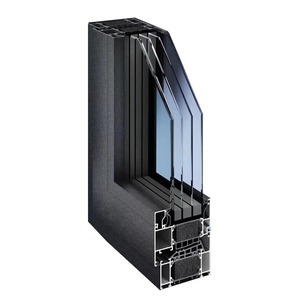
Architectural Portfolio
Featured Aluminum Fenestration & Entrance Systems
Engineered for humid domestic spaces, master ensuite bathrooms, and modern architectural transitions. Explore our structural grade aluminum systems manufactured under stringent zero-error tolerances.
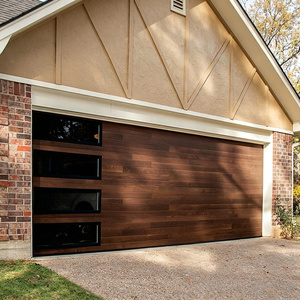
Customizable Sectional Garage Door With Aluminum Frame And Frosted Privacy Glass For Apartment Complex And Residential Use
Explore Specification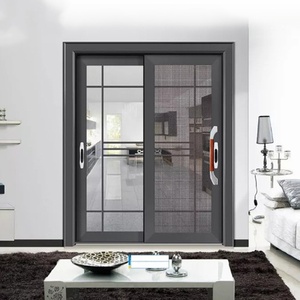
Wholesale Price Flat Sliding Soft Close Tempered Double Glazed Glass Durable Glass Aluminum Pocket Sliding Door
Explore Specification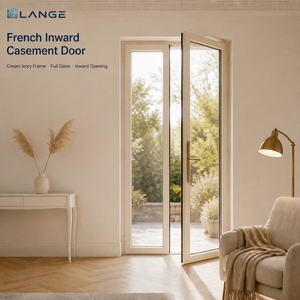
LANGE Modern French Elegance Aluminium Glass Door Triple Glass Durable Thermal Break Aluminum Casement Door For House & Villa
Explore Specification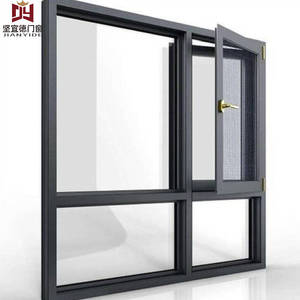
European Hurricane-resistant High-impact Black Aluminum Alloy Slim Aluminum Doors And windows Casement windows
Explore Specification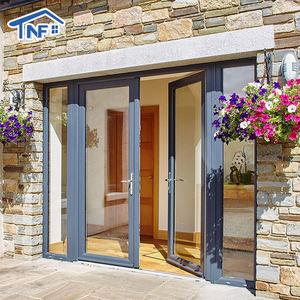
Modern Design Custom Color Thermal Break Double Tempered Glass French Doors Aluminum Alloy Exterior Swing Doors
Explore Specification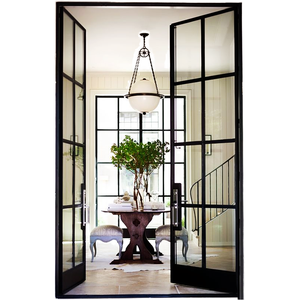
Custom Aluminum Exterior French Door With Tempered Glass Modern Balcony French Swing Door
Explore Specification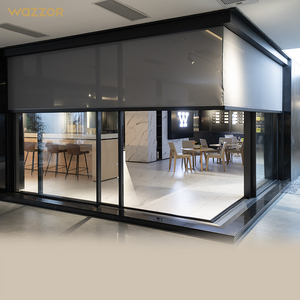
Wazzor Energy Efficient Aluminum Sliding Doors With Tempered Glass Frameless Patio Balcony Interior Spaces Aluminum Sliding Door
Explore Specification
Scale & Capacity
Industrial Scale: Foshan Manufacturing Excellence
Operating from Foshan, Guangdong—the premier global epicenter for architectural aluminum extrusion—our facility combines smart automation, zero-error calibration, and rigorous batch testing to supply major global property developers.
180,000
m² Production Base Footprint
1,000,000+
m² Annual Finished Capacity
100+
Patented Fenestration Systems
18,000+
Global Tier-1 Completed Projects
Procurement Whitepaper
Engineering Aluminum Doors for High-Humidity Environments
Bathroom environments present a unique convergence of accelerated chemical exposure, high relative humidity (frequently exceeding 90% RH), fluctuating thermal loads, and rigorous daily mechanical cycles. Sourcing from certified Chinese manufacturers requires critical scrutiny of profile chemistry, surface coatings, and acoustic seals.
6063-T5 vs. 6063-T6 Structural Metallurgy
Standard bathroom partitions frequently utilize secondary scrap alloys prone to micro-fissuring and subsurface oxidation. Leading manufacturers mandate virgin 6063-T5 and T6 architectural billets, maintaining tensile strengths above 160 MPa. This structural stability guarantees zero warp across high-frequency swing cycles and wet weight loads.
Wet-Area Surface Chemistry & Anodizing
Bathroom detergents containing chlorine and surfactants degrade inferior wet-spray enamels. Premier Chinese exporters apply either Class 15/20 Anodized Finishes or Qualicoat-certified fluorocarbon (PVDF) powder coats, delivering 3,000+ hours of continuous neutral salt spray (ASTM B117) resistance without blistering or chalking.
Acoustic Decoupling & Sound Attenuation
Ensuite privacy demands superior acoustic attenuation (Rw ≥ 32–38 dB). By utilizing dual-glazed laminated or obscure tempered glass packs configured with EPDM perimeter gaskets, our systems eliminate internal plumbing resonances and mechanical fan noise without introducing condensation between glass panes.
Minimalist Narrow-Bevel Profiles
Commercial residential architecture is moving away from wide 60mm frames toward minimalist 16mm–25mm ultra-slim sightlines. Advanced profile chamber designs retain structural wind-load and torsional resistance while optimizing visible glass surface for sophisticated interior flow.
Concealed Drainage & Barrier-Free Thresholds
Universal accessible design mandates low-profile or zero-clearance recessed bottom tracks. Patented concealed drainage cascades prevent water migration from walk-in wet showers to dry master bedroom suites, meeting universal accessibility compliance (ADA / universal access).
Comparative Specification: Bathroom Door Systems
Evaluating the metallurgical and chemical life-cycle value between commodity doors, timber alternatives, and high-performance aluminum systems.
| Evaluation Parameter | Architectural Aluminum (6063-T5) | Solid Wood / Engineered WPC | Standard PVC / Low-Grade Extrusion |
|---|---|---|---|
| Moisture Resistance (100% RH) | Impervious; zero dimensional expansion | Prone to swelling, delamination, and fungal growth | Moisture proof; vulnerable to structural embrittlement |
| Hardware Cycle Life | > 150,000 duty cycles (SUS304 / Brass core) | Subject to screw pull-out over time | < 40,000 cycles; hinge sag common |
| Surface Finish Longevity | 25+ Years (Anodized / Qualicoat PVDF) | Requires regular varnishing / seal maintenance | Yellows under UV exposure; prone to cracking |
| Acoustic Insulation (Rw) | 32 dB to 42 dB (Double Glazed / Laminated) | 28 dB to 34 dB | 22 dB to 28 dB |
| Fire Retardancy Rating | Class A Non-Combustible | Class B2 or Class C combustible | Class B1 (toxic fumes under thermal breakdown) |
Future Industry Forecast
Future Sourcing & Procurement Trends (2025–2030)
Global supply chains, green building mandates, and smart building integration are transforming how international contractors, hotel developers, and architectural firms specify aluminum door assemblies from China.
Switchable PDLC Privacy Glass Integration
The integration of Polymer Dispersed Liquid Crystal (PDLC Smart Glass) wired into concealed aluminum door stiles is rapidly replacing conventional frosted glazing in five-star hospitality projects. Doors transition from transparent to opaque in milliseconds via wall switch, occupancy sensor, or home automation systems.
Low-Carbon Recycled Aluminum Billets
With European CBAM (Carbon Border Adjustment Mechanism) and global LEED/BREEAM scoring becoming standard, leading Chinese exporters are shifting toward scrap-recycled green billets powered by hydroelectric smelters. This lowers embodied carbon to below 4.0 kg CO2e/kg Al, matching strict ESG targets.
Digital Twin & BIM Object Verification
Modern procurement pipelines demand exact IFC/Revit BIM models containing real thermal transmission values (U-factor), air infiltration indices, and acoustic performance figures. Our engineering department provides fully validated parametric models for clash detection prior to containerized sea dispatch.
Factory Capabilities
Guangdong Dejiyoupin: Global Manufacturing Advantage
With over 25 years of engineering fenestration systems under the DERCHI brand, our 180,000 m² facility delivers end-to-end quality assurance backed by a 600+ member production team and 30+ dedicated R&D structural engineers.
Patented Zero-Error Calibration
Every frame undergoes computer-numerical-controlled (CNC) multi-axis cutting and corner crimping. Our proprietary injection-glued corner joints prevent gap formation and seal failure, achieving structural water tightness in the most demanding interior wet zones.
Global Regulatory Compliance
Certified internationally across CE (European Standard), AS2047 (Australia), NFRC (North America), CSA (Canada), and ISO 9001. We guarantee comprehensive compliance packages for structural integrity, impact resistance, and airtight sealing.
Full Structural Customization
From concealed pivot hinges with soft-close dampening to flush wall integration, frosted obscure reed-glass designs, and antimicrobial powder coats, our 8-step project workflow ensures that shop drawings precisely match your architectural elevations.
Procurement Knowledge Base
Frequently Asked Questions for B2B Importers
Clear, authoritative technical answers addressing shipping safety, thermal efficiency, installation tolerance, and international bulk procurement guidelines.
Why choose aluminum over solid wood or PVC for luxury bathroom applications?
Bathrooms create continuous cycles of steam, hot water splashes, and aggressive cleaning chemicals. Wood inevitably absorbs airborne vapor, resulting in swelling, warped stiles, and peeling veneers. PVC, while waterproof, lacks the structural modulus required for tall, slim modern profiles, leading to hinge drop and poor latching over time. Aluminum alloys (6063-T5/T6) are completely impervious to moisture, maintain 100% dimensional stability across temperature shifts, and offer an ultra-narrow perimeter aesthetic that supports heavy tempered glass inserts without risk of sagging.
What glass specifications are optimal for bathroom privacy and wet-area safety?
We strictly recommend SGCC / CE-certified tempered safety glass packs (minimum 6mm to 8mm single, or 5mm+9A+5mm double insulated glass). To balance ambient natural illumination with visual privacy, clients commonly specify acid-etched frosted glass, fluted/reeded textured architectural glass, or dual-glazed panels with an integrated frosted film or smart PDLC layer. Double glazing also delivers superior thermal barrier performance, preventing interior condensation on the bedroom side in climate-controlled spaces.
How does your factory protect aluminum door finishes during maritime transit?
Ocean transit exposes export freight to extreme humidity and saline atmospheres. Our packaging protocol involves multi-tier protection: every extruded aluminum frame is enveloped in electro-static protective film, corner-protected with reinforced shock-absorbing guards, wrapped in moisture-barrier bubble membrane, and packed into fully enclosed fumigated plywood crates or steel-banded pallets. Desiccant packs are inserted to control internal container humidity during multi-week sea voyages.
What are the standard Minimum Order Quantities (MOQ) and production lead times?
For bespoke residential or commercial projects, our typical MOQ starts at 50 m² (or container-shared project runs). For dedicated full container loads (20GP / 40HQ), custom extrusion profiles and specialized surface colors can be formulated to exact RAL or Pantone swatches. Standard production lead time following shop-drawing sign-off and deposit confirmation is typically 25 to 35 business days, accommodating full pre-assembly testing before crating.
How do you handle site dimension variations and on-site contractor installation?
Our 8-step engineering methodology eliminates fitting errors. Before manufacturing commences, we provide complete CAD/BIM shop elevations detailing tolerance allowances, wall sub-frame details, and finish floor levels. Our door frames feature adjustable sub-jamb mechanisms that absorb standard site masonry variances (+/- 5mm). Furthermore, we supply comprehensive digital assembly schematics, video installation procedures, and dedicated virtual engineering support for local project teams.
Project Quotations & Tenders
Accelerate Your Architectural Procurement
Partner directly with Guangdong's premier high-end window and door manufacturer. Connect with our engineering estimators to review your architectural drawings, receive detailed bill-of-materials costing, and obtain certified laboratory test reports.