180,000 m²
Intelligent Production Base
100+
National Patents & Innovations
18,000+
Completed Global Projects
AS2047 / CE
Global Certified Compliance
Architectural Showcase
Engineered Fenestration & Grille Window Systems
Browse our factory-direct product range engineered with integrated internal grilles, simulated divided lites (SDL), thermal break alloy sections, and hurricane-grade safety glazing.
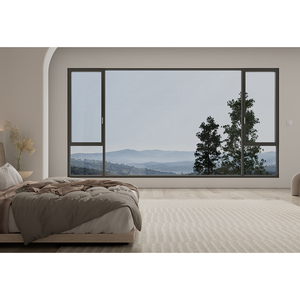
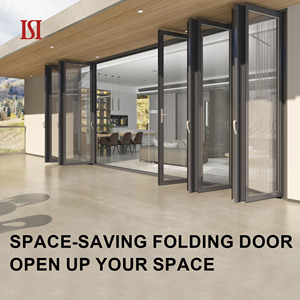
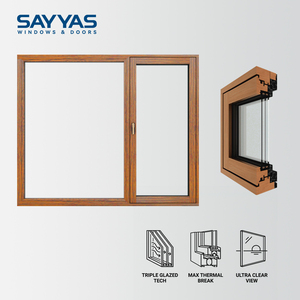
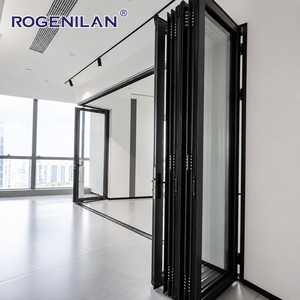
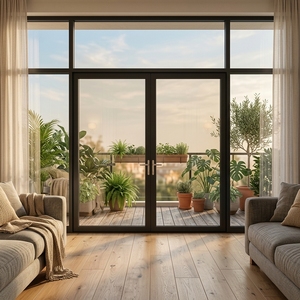
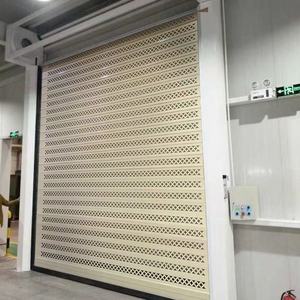
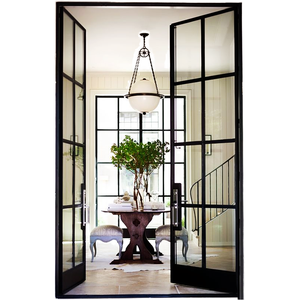
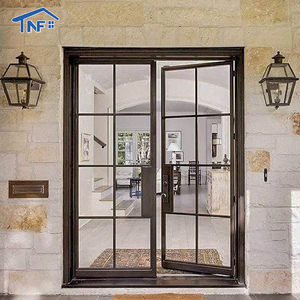
Engineering Integrity in Modern Aluminium Grille Fenestration
In the realm of modern residential and commercial architecture, aluminium grille windows represent a sophisticated balance between high-load structural security, classic aesthetics, and cutting-edge thermal dynamics. As property developers, facade consultants, and general contractors source directly from Foshan—China's aluminum engineering capital—understanding the structural anatomy, grille typology, and testing criteria is essential for risk-free procurement.
Historically, security grilles served an utilitarian purpose: heavy external iron or basic tubular aluminum bars fastened crudely to exterior substrates. These arrangements degraded building facade aesthetics, accumulated corrosion at anchor points, and introduced thermal bridging risks. Today, leading Chinese manufacturing hubs have redefined this category through unified architectural extrusions. Modern aluminium grille systems integrate structural security elements directly into the sash matrix—either as precision-milled Simulated Divided Lites (SDL) mechanically fastened or adhered with structural acrylic tape over double-glazing, or through internal Georgian and colonial grid spacers hermetically sealed within warm-edge insulated glass units (IGUs).
Our manufacturing facility operates under the "Zero-Error Standard." Under this regime, profile extrusion dimensional tolerances are held within ±0.5 mm, utilizing 6063-T5 or 6063-T6 virgin primary aluminum ingots with minimum wall thicknesses of 1.4 mm for standard residential windows and 2.0 mm to 3.0 mm for heavy-duty sliding systems and curtain-wall integrated units. Multi-cavity thermal break designs incorporating polyamide PA66 GF25 (reinforced with 25% glass fiber) arrest heat flow through the frame, depressing overall window U-values to as low as 0.8–1.4 W/(m²·K) when paired with argon-filled low-emissivity (Low-E) insulated glass units.
| Performance Characteristic | Standard Market Aluminum Grille | DERCHI Zero-Error Engineered Grille | Impact on Project Life-Cycle |
|---|---|---|---|
| Alloy Metallurgy | Secondary/Recycled Scrap Aluminium | 100% Virgin 6063-T5 / T6 Billets | Zero internal porosity, high tensile strength under hurricane winds. |
| Thermal Separation | Non-thermal or PVC thermal bridges | Technoform PA66 GF25 Polyamide Strips | Eliminates condensation, prevents frame buckling under high delta-T. |
| Grille Integration | External screw fastening (rust prone) | Internal Grids in IGU / Interlocked SDL | Zero maintenance, seamless dust wiping, preserved acoustic seals. |
| Multi-Point Locking | Single or double latch points | Four-Side Six-Point Patented Lock | Anti-theft Level RC2/RC3 security; uniform gasket compression. |
| Coating Durability | Standard flash powder (35–45 μm) | Qualicoat Class 2 / AkzoNobel PVDF Fluorocarbon | 30-year resistance against UV fading, chalking, and salt spray. |
Future Forecasting
Key Sourcing Trends Transforming the Grille Window Sector
Strategic supply chain shifts, sustainability mandates, and technical innovations expected to govern global fenestration orders over the next decade.
Low-Carbon & Circular Metallurgy
Global real estate developers in North America, Europe, and Oceania are demanding audited Environmental Product Declarations (EPDs). Sourcing criteria are prioritizing manufacturers utilizing hydropower-smelted low-carbon primary aluminum billets to curb Scope 3 embodied carbon figures.
BIM/VDC Digital Integration
Procurement is shifting from simple 2D shop drawings to parametric Revit BIM objects. Leading Chinese suppliers provide full LOD 350/400 models detailing grille intersections, anchor structural stresses, and mullion wind-deflection limits before casting dies.
Climate-Resilient Multi-Functional Design
Driven by extreme climate events, procurement specifications now merge anti-intrusion security grilles with hurricane missile impact testing (ASTM E1886/E1996) and typhoon water-tightness, eliminating unsightly and non-compliant field modifications.
Technology Horizons
R&D Frontiers: Where Window Engineering Is Heading
Emerging developments from top China factories revolutionizing durability, performance, and user interaction.
Intelligent Micro-Ventilation
Motorized trickle-vent grilles integrated into top frame sash heads equipped with PM2.5 filters, allowing passive air changes while maintaining anti-burglary barrier ratings.
Concealed Grille Hardware
Next-generation 180° concealed hinges and flush-mounted lock boxes that preserve the clean, minimalist lines of contemporary architectural frames.
Robotic Corner Pin Injection
Automated corner crimping combined with dual-component anaerobic adhesive injection, ensuring 100% water seal and preventing micro-cracking over a 50-year lifecycle.
Photovoltaic (BIPV) Grille Bars
Experimental incorporation of micro thin-film solar strips within the internal grille matrix to power internal motorized shades and smart locks autonomously.
Factory Capabilities
Why Top Global Contractors Partner With Us
Combining over 25 years of engineering mastery, extensive capacity, and uncompromising zero-error standards.
Scale & Output Assurance
Operating from our 180,000 m² automated manufacturing park in Foshan with over 600 skilled technicians, generating over 1,000,000 m² of architectural fenestration annually to reliably service multi-tower commercial developments.
Patented Security Engineering
Holding over 100 national invention patents, including the exclusive Four-Side Six-Point Perimeter Lock, preventing frame pry-out attempts under extreme forced entry tests while optimizing acoustic damping (Rw 42+ dB).
Global Credential Grand Slam
Our engineering packages comply with international building codes, verified by third-party testing laboratories under AS2047 (Australia), CE EN 14351-1 (Europe), NFRC / CSA (North America), and ISO 9001 certified manufacturing protocols.
Systematic Execution
The 8-Step Engineering Delivery Protocol
How we eliminate project deviations from initial architectural review through to job-site completion.
01. Drawing Audit
In-depth cross-examination of structural wind loads, rough opening sizes, and required deflection limits.
02. Thermal & R&D Study
Profile cavity optimization, thermal bridge simulation, and grille division proportionality calculations.
03. Itemized Quotation
Transparent, unitized cost breakdowns specifying alloy grades, glass build-ups, and hardware finishes.
04. Finish Confirmation
Production sample sign-offs for custom powder coat colors, anodizing thickness, and mock-up SDL profiles.
05. Production Scheduling
Securing extrusion capacity and batching primary billet extrusion schedules for consistent alloy temper.
06. Metric Confirmation
On-site laser verification or verified structural opening schedules to guarantee perfect installation tolerances.
07. CNC Manufacturing
Zero-error CNC precision miter cutting, automated corner pinning, and pressurized Argon gas filling.
08. Site Guidance
Detailed shop manuals, anchoring load engineering guidelines, and optional remote/on-site technical oversight.
Buyer Knowledge Base
Frequently Asked Questions for Sourcing Managers
Clear, technical answers to common queries regarding aluminum grille window manufacturing, quality testing, and international shipping logistics.
How do internal grilles affect window cleaning and condensation?
Internal grilles are permanently suspended within the sealed airspace of the double or triple-glazed IGU. Because they are isolated inside the dry Argon chamber, they never collect dust, eliminate the hassle of cleaning individual glass panes, and have zero negative impact on frame condensation performance.
What distinguishes SDL (Simulated Divided Lites) from standard grilles?
SDL grids are adhered to both the interior and exterior surfaces of the insulating glass, frequently combined with an internal shadow bar inside the airspace. This reproduces the authentic appearance of true divided lites while maintaining high thermal performance and structural glass strength.
Can your grille window systems meet coastal wind and hurricane requirements?
Yes. By combining 6063-T6 reinforced mullions with structural silicone wet-glazing and laminated safety glass (utilizing SentryGlas or thick PVB interlayers), our cyclone-ready systems are engineered to withstand design wind pressures exceeding 4500 Pa (equivalent to Category 5 typhoons).
What surface treatment is best suited for coastal and marine environments?
For marine or industrial environments within 5 km of the ocean, we specify 3-coat PVDF (fluorocarbon) coatings containing a minimum of 70% Kynar 500 resin, or high-thickness anodizing (≥25 μm) complying with AAMA 2605 specifications to resist salt spray corrosion for over 3,000 hours.
How are thermal bridges avoided in custom grille patterns?
Grille components never breach the main polyamide thermal barrier of the sash and frame profiles. For SDL designs, grilles are bonded directly to glass surfaces using high-bond structural tape, completely preserving the thermal isolation of the interior profile from the exterior ambient climate.
What packaging methods are utilized to prevent transport damage?
All finished products undergo multi-layer protection: peelable protective surface film, shock-absorbing corner caps, complete bubble-wrap encapsulation, and placement into heavy-duty fumigated wooden crates or steel A-frames designed for crane and forklift handling during intermodal sea freight.
Request an Engineering Consultation & Factory Direct Quote
Submit your project schedules, CAD drawings, or elevation specs. Our technical design engineers will evaluate wind loads, suggest optimal grille configurations, and prepare a detailed cost proposal within 24 business hours.