Engineered Fenestration Systems & High-Performance Glazing
Discover our flagship export-ready architectural configurations. From thermally decoupled multi-point casements to heavy-duty panoramic sliding assemblies, each system is manufactured under rigid precision metrics to perform across extreme wind-shear zones, high UV index environments, and tropical rain belts.
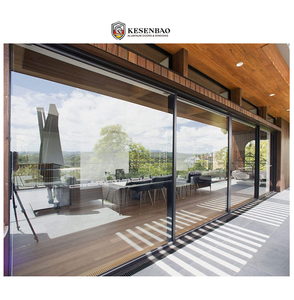
Wind Resistant Double Glazed Thermal Break Balcony Glass Patio Aluminum Sliding Doors for Houses
- Heavy-Duty PA66 GF25 Polyamide Thermal Break
- Multi-Chamber High Wind-Load Resistance
- Argon Gas Double Insulated Glazing
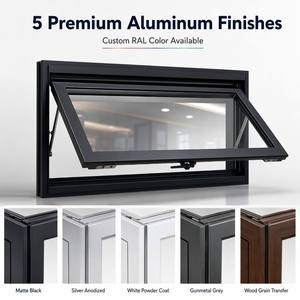
Modern Aluminum Top Hung Vertical Folding Window Stainless Steel Hardware Double Glazed Soundproof for Hotel Balcony Kitchen
- Top-Hung Counterbalance Gas Spring Assist
- Acoustic Damping: Rw up to 38 dB
- 304/316 Stainless Steel Heavy-Duty Hardware
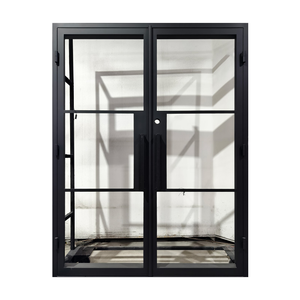
Modern Design Outdoor Sliding Glass Patio Door Aluminum French Doors Exterior With Tempered Glass Price
- Ultra-Narrow Sightline Interlock Profiles
- Fully Flush Sub-Sill Hidden Drainage
- Tempered Low-E Laminated Safety Matrix
CSA Approved Thermal Break Aluminum windows Tilt And Turn Hurricane Window Double Glazed Aluminium Windows Casement Windows
- Multi-Point Compression Perimeter Locking
- Hurricane Impact Resistance Grade C4/C5
- CSA A440.1 / NFRC North America Tested
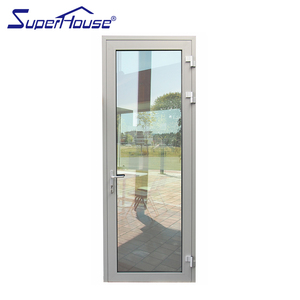
Modern Aluminum Alloy Swing Door Soundproof Waterproof Hinged Door For Bathroom Bedroom Balcony Hinged Door
- Seamless Hydraulic Closer Integration
- 100% Moisture Proofing with EPDM Gaskets
- Anodized & Qualicoat Class II Surface
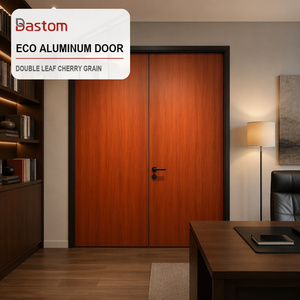
Elegant Double Opening Aluminum Frame MDF Panel Door Slim Black Frame Cherry Grain With Cylinder Lock for Office Room Interior
- Extruded Structural 6063-T5 Alloy Spine
- Acoustic Honeycomb Acoustic Dampening Core
- High-Traffic German Concealed Hinges
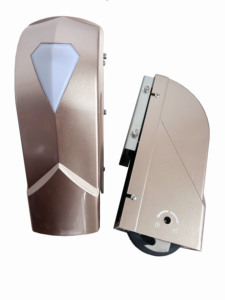
Factory Direct Sales Minyi Model 10 Modern Two-way AC 220V Aluminum Alloy Plastic Components Garage Shed Villa Courtyard Door
- Automated Smart Drive Automation Ready
- Anti-Corrosive Fluorocarbon PVDF Finish
- Dual-Leaf Precision Ground Track System
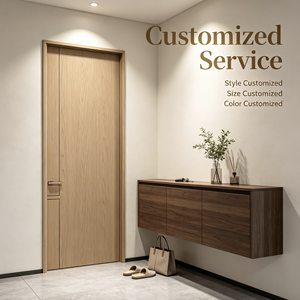
Customizable Minimalist Interior Door Aluminum Wood Door Modern Sound Insulation Door Durable Frame for Bedroom
- Hybrid Timber-Alloy Thermal Stability
- Magnetic Silent Strike Perimeter Latching
- Formaldehyde-Free Environmentally Certified
Structural Physics & Mechanical Integrity of Aluminium Casement Systems
Architectural casement windows represent the zenith of envelope airtightness and water management. Unlike sliding systems that rely on brush seals subject to friction wear, outward- and inward-opening casements compress continuous elastomeric gaskets along the frame perimeter, generating impenetrable barriers against severe meteorological events.
6063-T6 Structural Profile Metallurgy
Our casement assemblies are extruded exclusively from primary virgin aluminium billets alloyed to strict 6063-T5 and T6 heat-treatment tempers. With minimum wall thicknesses exceeding 2.0 mm (exceeding standard 1.4 mm commercial standards), the profiles yield tensile strengths beyond 205 MPa and yield strengths above 180 MPa. This structural rigidity allows for oversized floor-to-ceiling vision glass panels while limiting sash deflection under extreme wind loads (L/175 or L/250 criteria) in compliance with ASTM E330 and AS 4055 standards.
Polyamide PA66 GF25 Thermal Decoupling
Aluminum exhibits an inherently high thermal conductivity (λ ≈ 160–200 W/m·K). To achieve modern statutory compliance (U-values ≤ 1.4 W/m²K in cold or scorching climates), our casement frames incorporate 24 mm to 34 mm glass-fiber reinforced polyamide thermal break strips (PA66 GF25). These insulating struts match the linear thermal expansion coefficient of aluminum (2.3 × 10⁻⁵ /K), preventing structural shear stress, de-crimping, or thermal deformation over decades of wide seasonal temperature swings.
Multi-Tier Co-Extruded EPDM Gasketing
Air and water impermeability depend on elastomeric sealing architecture. DERCHI casement windows integrate an advanced three-stage sealing system: an exterior dust barrier, a centrally pressurized vulcanized continuous EPDM chamber gasket, and an internal acoustic compression fin. Working under the pressure-equalization principle (rainscreen cladding philosophy), the internal chamber instantly drains inadvertent water ingress through hidden, one-way drainage weep holes with integrated wind bungs.
| Performance Metric / Engineering Attribute | Commercial Grade (Generic Supplier) | DERCHI Architectural-Grade (Our System) | Applicable Test Standard |
|---|---|---|---|
| Aluminium Alloy & Temper | Recycled / Secondary Alloy 6063-T4 (0.8–1.2 mm) | Primary Virgin Billet 6063-T6 (1.8–2.5 mm wall thickness) | ASTM B221 / GB/T 5237 |
| Air Infiltration Resistance | Level 3 (1.5 m³/m²·h @ 100 Pa) | Level 8 / Class 4 (< 0.1 m³/m²·h @ 600 Pa) | ASTM E283 / EN 12207 |
| Static Water Penetration | 250 Pa (Unprotected sills leak in heavy storm) | ≥ 700 Pa to 1050 Pa (Hurricane Typhoon Proof) | ASTM E331 / EN 12208 |
| Structural Wind Load (Deflection) | 2.0 kPa Serviceability | 4.5 kPa to 6.0 kPa (Ultimate Design Load) | ASTM E330 / AS 2047 |
| Thermal Transmittance (U-Value) | Uw 2.8 – 3.8 W/m²K (Conductive aluminum bridge) | Uw 1.0 – 1.4 W/m²K (Passive House standard) | NFRC 100 / ISO 10077 |
| Locking & Anti-Intrusion Hardware | Single-point zinc alloy side latches | Patented 4-Side 6-Point Mushroom Cam Locking | RC2 / RC3 / PAS 24 |
Future Procurement Trends in Architectural Aluminium Fenestration
The international procurement landscape for architectural glazing is shifting rapidly from pure upfront component cost to whole-life-cycle performance, embodied carbon taxation, and automated fabrication verifiability. Commercial developers, main contractors, and facade consultants are re-engineering their supply chain matrices around three pivotal operational imperatives.
1. Decarbonization & Circular Metallurgy
Global regulatory frameworks—such as the European Union’s Carbon Border Adjustment Mechanism (CBAM) and LEED v4.1/v5 requirements in North America—are making Environmental Product Declarations (EPDs) mandatory in tender submissions. Global procurement managers now favor Chinese manufacturers operating hydro-powered or renewable-powered smelting processes. Smelting with low carbon footprints (< 4.0 kg CO₂ per kg of raw aluminium compared to traditional coal-fired averages of 14–16 kg) allows Tier-1 exporters to deliver significant LEED credits while hedging real-estate portfolios against carbon-tariff liabilities.
2. Extreme Acoustic & Microclimatic Resilience
Rapid urban consolidation near highway corridors, rail transit nodes, and high-noise coastal urban centres is accelerating the demand for asymmetric insulated glass units (IGU). International buyers are replacing standard 5mm+12A+5mm IGUs with specialized 6mm Low-E + 16A Argon + (4mm + 0.76mm Acoustic PVB + 4mm) laminated setups mounted on heavy casement sashes. These deliver Sound Transmission Class (STC) ratings above 42 dB. Simultaneously, the amplification of severe typhoon and hurricane paths across Southeast Asia, the Gulf Coast, and the Pacific Rim makes impact-tested laminated safety glass standard specification.
3. Integrated IoT & Concealed Motorization
Modern luxury villas, hospitality developments, and high-density towers are migrating away from manual casement operation toward concealed electronic actuators. Modern casement hardware incorporates brushless DC chain actuators directly inside the thermal break profile cavities, connecting with building management systems (BMS), KNX, and home automation platforms. Automated night-cooling purging cycles, rain-sensor auto-close routines, and digital access control provide measurable mechanical ventilation energy savings without compromising structural envelope lines.
Corner Crimping, Polyurethane Infiltration & Surface Longevity
In fenestration engineering, 95% of field failures—including sash sagging, frame out-of-squareness, water leaks, and galvanic corrosion—originate from poor profile mitering, improper corner joining, and sub-standard surface treatment. We deploy advanced automated fabrication protocols directly within our Foshan industrial facilities to eliminate these failure points.
5-Axis CNC & Pneumatic Mechanical Crimping
Traditional suppliers assemble casement frame corners with standard self-tapping screws and hollow corner stakes, which quickly flex and corrode. Our automated production uses CNC double-mitre saws capable of cutting profiles at 45° ±0.05° precision. Heavy cast-aluminum structural corner cleats are inserted and joined through hydraulic multi-point corner-crimping machines. This locks the mitered aluminum profiles into an indestructible, non-yielding 90° monolithic joint capable of supporting heavy triple-glazed panels over 120 kg per opening.
Dual-Component Polyurethane Corner Injection
Following mechanical crimping, our automated assembly injects high-density, solvent-free two-component polyurethane corner glue (PU structural sealant) into dedicated cleat injection channels. The expanding polymer fills every internal micro-cavity between the aluminum profile and the corner angle. This creates complete structural adhesion, prevents mechanical joint slippage during transit or high-wind cycling, and creates a 100% airtight and watertight barrier that permanently stops corner water penetration.
AAMA 2605 & Qualicoat Class 3 Surface Finishing
For installations in tropical coastal environments with extreme UV radiation and high salinity (Southeast Asia, Caribbean, Middle East, Australia), standard powder coats degrade within 36 months. We apply AkzoNobel or PPG architectural fluorocarbon (PVDF - Polyvinylidene Fluoride) coatings and Qualicoat Class 3 super-durable powder finishes. Tested through 4,000+ hours of continuous neutral salt spray (ASTM B117) and intense accelerated UV exposure (ASTM G154), our coatings preserve gloss, prevent chalking, and resist atmospheric acid attack for over 30 years.
Guangdong Dejiyoupin (DERCHI): An Industrial Giant from Foshan
Headquartered in Shishan Town, Foshan City—the recognized epicentre of the world's high-grade aluminium manufacturing industry—Guangdong Dejiyoupin Doors and Windows Co., Ltd. (DERCHI) operates one of Asia's most sophisticated fenestration fabrication complexes. With over 25 years of engineering experience, 100+ national innovation patents, and a zero-error production ethos, we serve as the primary supply engine for Tier-1 contractors worldwide.
Patented 4-Side 6-Point Security Architecture
DERCHI holds proprietary national invention patents for the Four-Side Six-Point Locking Mechanism. In contrast to conventional casements that lock solely along the operational handle stile, our gear-driven internal transmission rods drive hardened steel mushroom cams into adjustable strike plates across the head, sill, hinge jamb, and handle jamb simultaneously. This draws the sash into continuous, uniform perimeter gasket compression, eliminating sash deflection under heavy positive or negative wind pressure while providing certified anti-burglary protection.
Global Certification Grand Slam
Specifying building envelopes across international jurisdictions requires certified compliance backed by third-party laboratory verification. Our fenestration systems hold complete testing dossiers: AS2047 and AS1288 (NATA-accredited testing for Australian cyclonic wind and water codes), NFRC and CSA certifications for US and Canadian thermal efficiency, CE Marking conforming to EN 14351-1 across the European Economic Area, and Florida HVHZ Hurricane Impact Certification, alongside ISO 9001 quality management verification.
Xinhua "China Famous Brand" Distinction
As an officially recognized enterprise under the National Brand Program of Xinhua News Agency, DERCHI represents modern Chinese high-end manufacturing. Our vertically integrated production model eliminates distributor markups, allowing overseas clients—from Hilton and Atour hospitality developments to ultra-luxury residential towers—to access Tier-1 German-grade fenestration engineering directly from our factory floor at substantial commercial savings.
Engineering & International Procurement FAQ
Precise technical answers addressing structural calculation, testing protocols, shipping logistics, and site-fitting tolerances for facade consultants, architects, and procurement teams.
1. How does your factory verify and calculate wind load deflection under extreme cyclonic or hurricane conditions? +
Every fenestration schedule is cross-analyzed through finite element analysis (FEA) software by our in-house engineering team. We calculate the required moment of inertia (Ix value) of mullions and structural profiles according to the project’s specific site coordinates, terrain category, building height, and basic wind speed (following AS/NZS 1170.2, ASTM E1300, or Eurocode 1 EN 1991-1-4). When architectural spans exceed standard allowable limits, we integrate steel-reinforced inner structural cores or engineered external aluminum fin aerofoils to maintain allowable deflection ratios (typically L/175 for single glass or L/250 for insulated units, up to ultimate test pressures of 6,000 Pa).
2. What measures are implemented to prevent galvanic corrosion when installing aluminum casement windows in coastal environments? +
Galvanic corrosion occurs when aluminum makes direct electrical contact with dissimilar metals (such as mild steel or unpassivated fasteners) in the presence of an electrolyte like marine salt air. DERCHI enforces strict galvanic isolation protocols: all assembly fasteners, friction stays, corner keys, and internal structural bracketry are manufactured exclusively from Austenitic 304 or Marine-Grade 316 stainless steel. Furthermore, between steel subframes, lintels, and our aluminum jambs, we specify high-density EPDM isolating thermal pads or non-conductive elastomeric shims, completely breaking any electrochemical circuit.
3. How do you guarantee the seal integrity and argon gas retention rate of double and triple glazed units? +
Our insulated glass units (IGUs) are produced on automated Bystronic robotic lines using the dual-seal warm-edge system. The primary vapor barrier comprises polyisobutylene (PIB), applied continuously with automatic corner-sealing to prevent moisture ingress. The secondary structural seal uses two-component silicone or polysulfide sealant. Glass cavities are charged with high-purity argon gas (≥ 90% concentration) within an automated vacuum-sealed chamber. IGUs comply with EN 1279 Parts 2 & 3 and ASTM E2190 standards, with measured gas leakage rates under 1% per year, ensuring decades of condensation-free thermal performance.
4. What packaging methodology is used to eliminate scratch, bending, and moisture damage during overseas ocean freight? +
Export damage is entirely preventable with disciplined industrial crating. Our five-tier export packaging includes: (1) low-tack protective film over all finished aluminum profiles; (2) thick closed-cell pearl foam wrapping around outer frame perimeters; (3) heavy-duty corner-guard protection caps; (4) vacuum-wrapped waterproof stretch film with desiccant packs to prevent moisture condensation during sea voyage; and (5) fully enclosed, fumigated ISPM-15 compliant plywood crates with internal rubber shock absorption pads. Crates are built with dedicated forklift access runners for safe handling at regional destinations.
5. Can DERCHI provide shop drawings, structural calculations, and PE stamping for overseas project approval? +
Yes. Our engineering division of 30+ senior technicians provides full pre-construction technical submittal packages. We translate architectural BIM/CAD drawings into precise 2D and 3D fabrication shop drawings, complete with structural anchor details, perimeter water-deflection membranes, and profile cross-sections. For clients in North America, Australia, and select jurisdictions, we work directly with certified local Professional Engineers (PE) to provide structural calculations, wind-load compliance certificates, and signed engineering stamps for municipal permitting.
6. What is the typical production lead-time and container loading schedule for custom commercial orders? +
For custom fenestration schedules (custom dimensions, specific powder coat finishes like RAL colors, and performance glass build-ups), our standard production cycle is 25 to 35 working days following final approval of shop drawings and deposit confirmation. For large-scale multi-container commercial contracts, we provide staged delivery schedules, grouping products by building level, zone, or elevation. Our factory is located close to Guangzhou and Shenzhen deep-water container ports (Nansha, Yantian, Shekou), enabling smooth dispatch across global trade routes.
7. How do outward-opening casement windows compare to tilt-and-turn systems regarding long-term maintenance? +
Both systems offer excellent compression sealing, but serve distinct functional needs. Outward-opening casements use heavy-duty stainless steel four-bar friction hinges (stays) that project the sash into the wind slipstream; incoming positive wind pressure pushes the sash tighter against the frame’s EPDM compression seals, increasing weather tightness during storms. Inward tilt-and-turn configurations allow easy glass cleaning from within the room, making them ideal for high-rise buildings where external washing is difficult. Both systems utilize modular, easily replaceable perimeter hardware components tested to 25,000+ continuous mechanical cycles (EN 13126).
8. What on-site installation guidance, technical manuals, or engineer dispatch support do you offer? +
Our 8-step engineering cycle extends directly to final installation on site. Every shipment includes comprehensive bilingual assembly manuals, structural anchoring diagrams, sub-sill flashing schematics, and labeled component schedules. For large-scale hotel, commercial, or residential developments, we can dispatch bilingual senior installation engineers to provide on-site supervision, conduct initial mock-up air/water field testing (AAMA 501.2 / ASTM E1105), and train local contractor installation teams.
Plan Your Project with China's Premier Aluminium Window Exporter
Whether you are engineering a private luxury villa, a multi-unit condominium complex, or an international hotel development, our technical team is ready to analyze your architectural schedules, verify wind-load parameters, and provide itemized factory-direct proposals.