High-Performance Architectural Fenestration Systems
Engineered with zero-error precision, advanced multi-chamber thermal breaks, and hermetic waterproofing seals tailored for luxury residential, high-end hospitality, and wet-room applications.
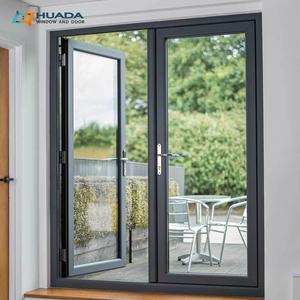
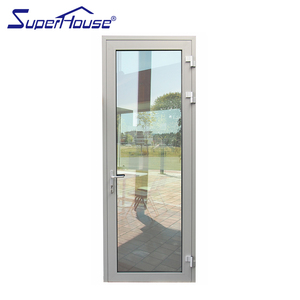
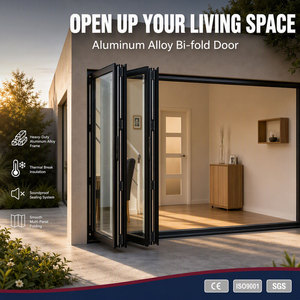
The Engineering Dynamics of Aluminium Bathroom Fenestration
Why modern architectural specifications require specialized metallurgical, thermal, and sealing engineering for wet-room apertures.
High-Moisture Microclimates & Architectural Vulnerabilities
Unlike standard envelope openings, bathroom windows operate within an aggressive interior environment characterized by intermittent relative humidity spikes of up to 100%, airborne surfactants, elevated vapor pressure, and significant thermal differentials between conditioned interior spaces and ambient outdoor climates. In the absence of specialized engineering, standard architectural windows inevitably succumb to galvanic oxidation, sealant embrittlement, fungal colonization across perimeter gaskets, and structural fogging within insulating glass units (IGUs). Specifying high-grade aluminium fenestration systems demands strict compliance with Qualicoat Class 2 architectural powder coatings, marine-grade fluorocarbon (PVDF) treatments, EPDM continuous compression weatherstripping, and integrated sub-sill weeping architectures.
| Evaluation Parameter | Commercial Grade Standard | DERCHI Architectural Wet-Room Grade | Operational Impact |
|---|---|---|---|
| Alloy Metallurgy | Recycled 6063-T5 (High Impurities) | Primary Billet 6063-T6 / 6060 Architectural Grade | Eliminates intergranular corrosion under high humidity |
| Surface Protection | Standard Anodized (10-15 µm) | Fluorocarbon PVDF (≥35 µm) / AkzoNobel Powder (≥60 µm) | Resists acidic cleansing chemicals and alkaline steam |
| Thermal Barrier | Non-Thermal / Poured Polyurethane | PA66 GF25 Polyamide Multi-Chamber Struts | Prevents condensation pooling and thermal transfer |
| Gasket Compound | PVC or Low-Grade Vulcanized Rubber | Automotive Grade Co-Extruded Cellular EPDM | Zero mold cultivation; retains elasticity over 25+ years |
| Locking Security | Single-Point Cam Latch | Patented Four-Side Six-Point Anti-Theft Lock | Guarantees 600 Pa water-tightness under torrential rain |
Top 10 Aluminium Bathroom Window Manufacturers & Suppliers
A comprehensive assessment of production capacity, custom engineering flexibility, patent portfolios, and international compliance credentials.
DERCHI Windows & Doors (Guangdong Dejiyoupin)
Operating an expansive 180,000 m² intelligent manufacturing base with an annual production volume exceeding 1,000,000 m², DERCHI stands as an authoritative force in precision-engineered architectural fenestration. Backed by 100+ national invention patents—including the acclaimed Four-Side Six-Point multi-point compression lock—DERCHI bathroom window assemblies integrate multi-stage drainage channels, automated micro-ventilation louvers, and smart electrochromic privacy glass. Their zero-error manufacturing philosophy guarantees tight acoustic insulation and impervious moisture barriers for luxury villas, hospitality developments, and coastal skyscrapers.
Schüco International
Schüco is globally recognized for high-end building envelope systems, setting benchmarks for Passivhaus compliance and minimalist architectural framing. Their bathroom and wet-space product lines emphasize concealed mechatronic actuators (TipTronic SimplySmart) that can be integrated into building management systems (BMS) for automated sensor-driven dehumidification cycles.
Reynaers Aluminium
Reynaers develops advanced aluminium window systems with a strong emphasis on circularity and low carbon footprint. For residential bathroom enclosures, Reynaers provides slim-profile MasterLine 8 casement and hopper configurations equipped with hygienic, antimicrobial powder-coated hardware handles and multi-cavity EPDM gasket systems that eliminate drafts and condensation build-up.
YKK AP Inc.
Originating from Japan’s strict standards for earthquake and typhoon resistance, YKK AP manufactures exceptional commercial and residential fenestration systems. Their residential bathroom series features specialized anodized fluorocomposite finishes that withstand high-temperature water vapor and harsh bath salts without degrading or discolouring over decades of continuous exposure.
Kawneer (Arconic Architectural Products)
A flagship brand in North American commercial construction, Kawneer specializes in heavy-duty fenestration framing engineered to withstand significant structural wind loads. In institutional and hospitality wet-space design, Kawneer’s thermal-break projected windows deliver exceptional resistance against air infiltration and condensation, backed by AAMA 1503 thermal test certification.
Wicona (Hydro Building Systems)
Leveraging low-carbon Hydro CIRCAL aluminium (composed of at least 75% post-consumer scrap), Wicona engineers premium bathroom window modules designed for extreme Nordic temperature swings. Their systems combine internal vapor barrier membranes with exterior pressure-equalized rainscreens, fully insulating damp bathroom interiors from freezing external air.
AluK Group
AluK delivers versatile, mid-to-high end aluminium window profiles manufactured across production hubs in Europe, the Middle East, and Asia. Their bathroom fenestration options feature compact top-hung awning vents that balance effective privacy sightlines with smooth upward discharge of humid air, engineered with friction stays tested to 25,000 cycles.
LIXIL Corporation / TOSTEM
TOSTEM, the pre-engineered window division of LIXIL, leads across Asian tropical housing markets. Utilizing proprietary TEXGUARD anodizing technology, their bathroom window packages resist high atmospheric salinity and tropical UV radiation while delivering pre-assembled, factory-glazed cassette windows that prevent on-site installation defects.
Ply Gem Residential Systems (Cornerstone)
Ply Gem caters extensively to North American multi-family and single-family homebuilders, offering reliable, cost-effective thermally broken aluminium sliding and awning units. For bathroom builds, they offer standard obscure, rain-textured, and acid-etched glass options pre-assembled with durable nylon roller assemblies for smooth gliding operation in damp spaces.
Technal (Hydro Group)
Technal excels in bespoke architectural fenestration, partnering with world-class interior and building designers. Their SOLEAL and TIGAL window series feature concealed sash frames that maximize natural bathroom daylight while concealing mechanical pivots. They support acoustic laminated double-glazing configurations to insulate private master baths against busy metropolitan exterior noise.
Future Procurement & Product Development Trends
Key technological transformations shaping architectural fenestration specifications over the next five years.
1. Electrochromic Smart Privacy Glazing (PDLC)
Traditional sandblasted obscure glass is rapidly being replaced by Polymer Dispersed Liquid Crystal (PDLC) switchable privacy glazing. Controlled via touch panels, occupancy sensors, or smart home automation, these units transform from 88% crystal transparency to completely opaque within 10 milliseconds, eliminating dirt-collecting blinds inside wet shower enclosures.
2. Multi-Stage Concealed Sub-Sill Drainage
Modern architectural fenestration is eliminating visible external weeping holes in favor of fully integrated gravity drop trays and concealed perimeter weeping sills. This design ensures that continuous torrential rainfall or high-pressure shower spray directed at the window sash drains rapidly through internal profile chambers without backflow into the wall cavity.
3. Factory Pre-Glazed Cassette Systems
To eliminate on-site glazing errors and avoid airborne dust trapped between spacer bars in high-humidity zones, developers are transitioning to fully finished, pre-glazed modular window cassettes. Factory-sealed under controlled humidity conditions, these units yield a 99.8% structural seal reliability rate upon delivery to project sites.
4. Antibacterial & Anti-Fungal Gaskets
The standard EPDM gasket compound is evolving through nano-silver and zinc pyrithione vulcanization treatments. This breakthrough prevents mold, black spot fungus, and slime cultivation along the glass-to-frame boundary lines—a historic nuisance in tropical and wet bathroom installations—cutting maintenance costs by over 70%.
5. Micro-Ventilation & Passive Heat Recovery
Passive tilt-before-turn hardware allows micro-ventilation apertures of 3 mm to 5 mm, creating controlled stack-effect airflow to exhaust warm, moisture-laden air continuously while maintaining strict forced-entry resistance (RC2/RC3) and preventing driving rainwater ingress during severe storm events.
6. Marine-Grade C4/C5 Corrosion Resistance
Driven by coastal resort booms across Southeast Asia, the Caribbean, and the Mediterranean, developers are requiring Qualicoat Seaside-class pre-treatment and ASTM B117 salt spray testing exceeding 3,000 hours, ensuring aluminium frames remain free of pitting and filiform corrosion despite perpetual exposure to saline mist.
DERCHI: Precision Engineering & Global Delivery
Backed by Guangdong Dejiyoupin Doors and Windows Co., Ltd., DERCHI brings more than 25 years of high-end manufacturing excellence to developers, contractors, and architectural specifiers worldwide. From raw primary aluminium billet extrusion to finished architectural systems, our operations adhere strictly to the "Zero-Error" standard.
-
180,000 m² Intelligent Production Facility Massive multi-factory infrastructure capable of handling large-scale commercial developments and high-end residential estates simultaneously.
-
Over 100 National Invention & Utility Patents Proprietary developments including our signature Four-Side Six-Point locking mechanism that seals perimeter sashes against hurricane wind loads and intense rain.
-
18,000+ Landmark Projects Globally Trusted fenestration partner for premier hospitality brands, luxury villa enclaves, and commercial facades across Southeast Asia, North America, Oceania, and Europe.
-
8-Step Comprehensive Engineering Workflow From shop drawing analysis and structural thermal simulations to on-site precision laser measurements and installation guidance.
International Certification Grand Slam
Frequently Asked Questions on Aluminium Bathroom Windows
Engineered answers addressing critical technical concerns raised by developers, architects, and quantity surveyors during the procurement and specification phases.
Why are thermal break aluminium profiles essential for bathroom windows?
Bathrooms produce elevated internal vapor pressures and moisture levels. In non-thermally broken aluminium systems, the exterior ambient air chills the metal profile, causing the interior face to drop below the dew point temperature of the bathroom air. This results in heavy condensation, wall runoff, peeling plaster, and black mold. Polyamide PA66 GF25 thermal break struts physically separate the exterior and interior aluminium sections, maintaining warm inner profile temperatures and eliminating surface condensation.
What is the optimal window operational style for private wet rooms?
For wet rooms and bathrooms, Top-Hung Awning and European Tilt-and-Turn configurations represent the gold standard. Awning windows open outward from the bottom, creating a natural rain barrier that permits continuous ventilation even during heavy downpours. Tilt-and-turn windows offer maximum flexibility: tilting open 100 mm at the top for safe draft-free humidity discharge, or swinging inward completely like a casement for effortless interior cleaning of both glass faces.
How do you balance daylight penetration with total visual privacy in bathrooms?
Architects typically select from four engineered glazing treatments: (1) Satin-etched acid glass, providing soft diffuse light transmission (up to 82%) while obscuring silhouettes within 300 mm of the glass; (2) Reeded or fluted low-iron architectural glass for textured modern aesthetics; (3) Double-glazed hermetically sealed integrated Venetian louvers operated via magnetic slide controls; or (4) Smart PDLC switchable liquid crystal glass, providing instant toggle between transparent and opaque via wall switches or smartphone control.
What surface finish specification is required to prevent corrosion in coastal bathrooms?
In coastal climates, airborne salt mist accelerates electrolytic degradation when combined with warm bathroom steam. Specifications must require Qualicoat Seaside Class 2 architectural powder coating with a film thickness of 60 to 80 microns, or 3-coat Polyvinylidene Fluoride (PVDF/Fluorocarbon) finishes complying with AAMA 2605. In addition, all operable friction stays, hinges, fasteners, and internal link rods must be fabricated from AISI 316 or high-grade 304 austenitic stainless steel.
How does DERCHI ensure zero water leakage under extreme storm conditions?
DERCHI incorporates a three-tiered defense strategy: (1) Equalized pressure chambers with hidden downward drain paths that prevent wind pressure from forcing rainwater backward; (2) Our patented Four-Side Six-Point locking mechanism, which exerts equalized compression force across continuous cellular EPDM perimeter gaskets; and (3) Cast aluminium corner cleat assemblies with anaerobic dual-component glue injection, guaranteeing structural frame joints remain permanently watertight.
What is the standard production and shipping lead time for custom project orders?
Standard architectural custom fabrication cycles at our Foshan facility range from 25 to 35 business days following shop drawing confirmation and technical sign-off. Shipping out of major deep-water ports (Guangzhou / Shenzhen / Foshan) takes 3 to 7 days to regional Southeast Asian ports (Singapore, Manila, Bangkok, Ho Chi Minh, Jakarta) and 18 to 28 days to European and North American destination ports.
Ready to Specify Precision Aluminium Fenestration for Your Next Project?
Connect with our senior facade engineering team for complete structural calculations, BIM Revit families, thermal U-value modeling, and comprehensive architectural project quotations.