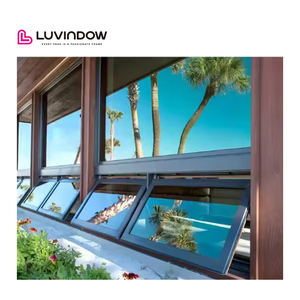
EN 14351-1 Technical Specification Compliance

CE Certified Aluminum Glass Window Manufacturers & Suppliers

Precision Zero-Error Engineering, Advanced Polyamide Thermal Barrier Profiles, and Structural Glazing for Global High-Performance Architecture

Factory Direct Portfolio

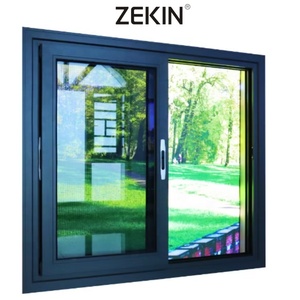
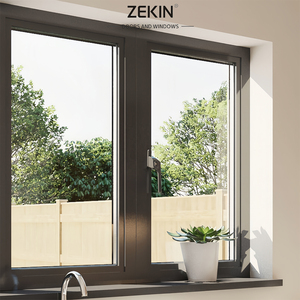
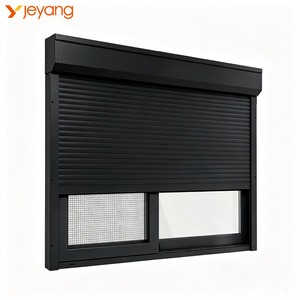
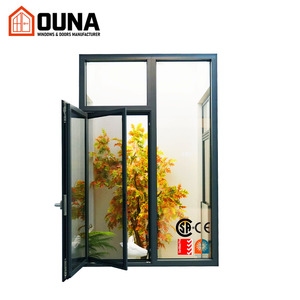
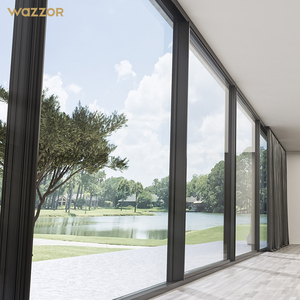
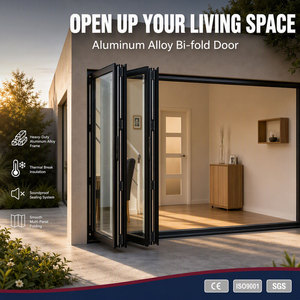
Featured CE & AS2047 Certified Fenestration Systems

Engineered for extreme structural wind loads, high acoustic attenuation, and superior thermal insulation. Each system is calibrated for international architectural standards across Europe, North America, Oceania, and Southeast Asia.

180,000 m²
Intelligent Manufacturing Base
1,000,000+ m²
Annual Production Capacity
100+
National Technical Patents
18,000+
Delivered Projects Worldwide
Industry Benchmark

Deciphering CE Marking Standards for Architectural Aluminum Windows

In architectural specifications, a CE mark is not a decorative badge—it is a mandatory legal passport under the EU Construction Products Regulation (CPR 305/2011) governed by harmonized standard EN 14351-1. Sourcing compliant fenestration requires thorough validation of declared Initial Type Testing (ITT) and Factory Production Control (FPC).

Critical Performance Vector Harmonized Test Standard Technical Target Criteria Factory Verification Status
Air Permeability EN 1026 / EN 12207 Class 4 (600 Pa test pressure with minimal leakage) Certified Pass
Watertightness (Static & Dynamic) EN 1027 / EN 12208 Class E1050 (Exceeds 1050 Pa driving water resistance) Certified Pass
Resistance to Wind Load EN 12211 / EN 12210 Class C5 (Deflection < 1/300 at 2000 Pa, safety load 3000 Pa) Certified Pass
Thermal Transmittance (Uw) EN ISO 10077-1 / 2 Uw ≤ 1.1 W/(m²·K) with Triple Glazed Low-E & Warm Edge Certified Pass
Acoustic Attenuation (Rw) EN ISO 10140-2 / ISO 717-1 Rw (C; Ctr) = 42 (-1; -4) dB with Acoustic PVB Lamination Certified Pass
Load-Bearing Capacity of Safety Devices EN 14608 / EN 13115 Threshold 350 N sustained without mechanical failure Certified Pass
Forward Outlook 2026-2030

Future Procurement Trends in Architectural Aluminum Glazing

Commercial developers, general contractors, and facade consultants are rethinking fenestration procurement models. The transition from off-the-shelf assemblies to performance-engineered structural envelopes is driven by decarbonization mandates and extreme climate phenomena.

Embodied Carbon & Circular Aluminum

Global specifications increasingly prioritize profiles produced via low-carbon hydro-powered smelting or with over 75% post-consumer recycled content (yielding < 4.0 kg CO2e/kg Al). Third-party verified Environmental Product Declarations (EPDs) are moving from optional documentation to non-negotiable procurement qualifiers for LEED and BREEAM certifications.

Vacuum Insulated Glazing (VIG) Integration

While double and triple glazing have served the market well, high-rise architectural facades are migrating toward slimline Vacuum Insulated Glass units. Delivering thermal metrics as low as Ug = 0.45 W/(m²·K) at a total glass thickness under 10.3 mm, VIG reduces structural perimeter sash loads and allows for narrower mullion sightlines without sacrificing insulation.

Factory-Integrated Smart Building Automation

The market is moving away from post-installation motor retrofits. Tier-1 suppliers now integrate concealed motorized chain actuators, automated ventilation dampers, multi-stage micro-vent sensors, and electrochromic dynamic solar shading directly into the thermal break extrusion profiles, fully integrated with BACnet/KNX building management systems.

Engineering Precision

Next-Generation Thermal Barrier & Alloy Metallurgy

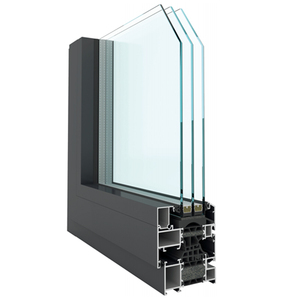
The core weakness of traditional aluminum windows has always been the natural thermal conductivity of the alloy (approx. 160–200 W/m·K). Modern structural fenestration overcomes this physics limitation through precision-machined multi-cavity thermal barrier designs.

  • High-Density Polyamide Strips (PA66 GF25): Reinforced with 25% transverse glass fibers to match the exact coefficient of linear thermal expansion of structural 6063-T5/T6 aluminum alloys.
  • Expanded Aerogel & Polyolefin Core Fillings: Cellular cavity insulation eliminates convection loops inside profile hollows, driving window U-values below Passivhaus limits.
  • Corner Joint Mechanical Crimping with Injection: Dual-component epoxy glue injected into die-cast corner cleats provides airtight sealing and prevents diagonal sash sag over 30-year operational cycles.
Send an Inquiry
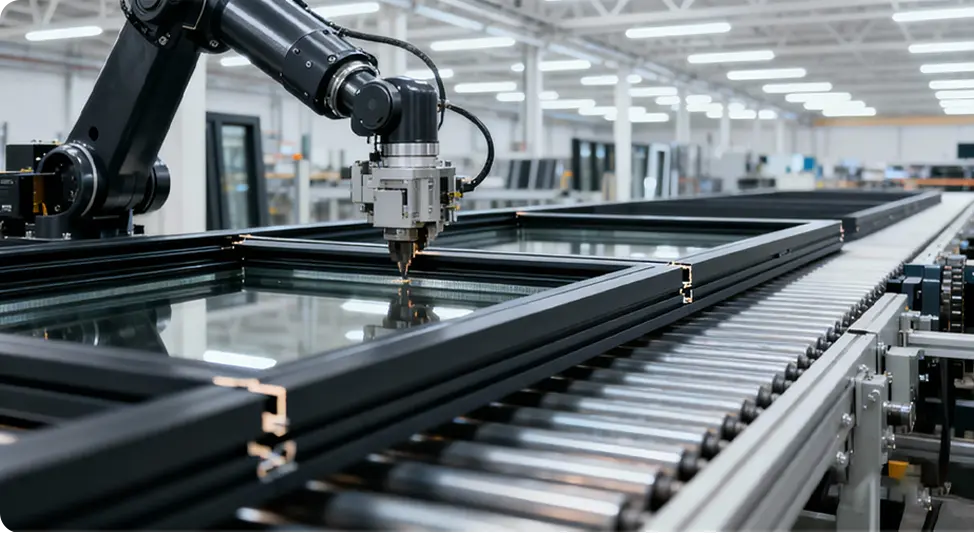
Precision Aluminum CNC Fabrication Facility
The DERCHI Advantage

Guangdong Dejiyoupin: Zero-Error Manufacturing Infrastructure

Based in Foshan, China’s industrial aluminum capital, Guangdong Dejiyoupin Doors and Windows Co., Ltd. (the manufacturer behind DERCHI) has delivered high-end architectural fenestration systems for more than 25 years. Our vertically integrated production model serves international developers, facade contractors, and global distributors with factory-direct precision.

Patented Four-Side Six-Point Security

Holding over 100 national invention and utility patents, our signature innovation includes the proprietary Four-Side Six-Point Lock mechanism. This hardware configuration engages mushroom-head steel cams on every sash face, delivering anti-crowbar security (RC2/RC3 compliant) alongside distributed gasket compression that resists typhoons.

Global Multi-Market Certification Grand Slam

We eliminate regulatory compliance risks for cross-border projects. Our factory holds an accredited testing portfolio covering European CE (EN 14351-1), American NFRC, Australian AS2047, Canadian CSA, Energy Star, Severe Hurricane Impact ratings, and an audited ISO 9001 quality management framework.

Integrated 8-Step Engineering Workflow

From architectural blueprint review, structural thermal modeling, and itemized bill-of-quantities (BOQ) generation to on-site laser measurement and job-site installation guidance, our team of 30+ dedicated R&D structural engineers ensures zero mismatch tolerances during final curtain wall or punch-window fitting.

Procurement Knowledge Base

Frequently Asked Questions for Commercial Buyers & Importers

Direct answers to the most common technical, logistics, and compliance questions raised by international procurement managers and project architects.

How do I verify the authenticity of a CE certificate from an overseas aluminum window manufacturer?
Under European Construction Products Regulation (CPR 305/2011), a genuine CE mark requires two clear components: a valid Declaration of Performance (DoP) issued by the manufacturer and an official Initial Type Testing (ITT) report from an accredited European Notified Body (such as ift Rosenheim, CSTB, or KIWA). The documentation must state the specific product family, profile series, and declared performance ratings across EN 1026 (Air), EN 1027 (Water), EN 12211 (Wind), and EN ISO 10077 (Thermal). We provide complete DoP documentation with cross-referenceable test numbers for each manufactured batch.
What is the difference between non-thermal break profiles and polyamide thermal break profiles?
Non-thermal break profiles consist of a continuous extruded aluminum section. Because aluminum conducts heat rapidly, non-insulated frames experience significant energy loss, frame sweating, and interior condensation in cold weather, or heavy AC energy loads in tropical regions. Thermal break profiles mechanically separate the interior and exterior aluminum sections using reinforced polyamide (PA66 GF25) barrier strips. This structural isolation stops heat conduction, drops overall frame U-values from ~6.5 W/(m²·K) to under 1.5 W/(m²·K), and prevents mold caused by surface condensation.
How does the factory ensure sea-freight durability and coastal corrosion resistance?
Ocean transport exposes fenestration products to high humidity, shifting container temperatures, and corrosive salt air. To protect profile surfaces, our aluminum extrusions are treated with Qualicoat-certified marine-grade architectural polyester powder coatings (minimum 60–80 μm thickness) or AkzoNobel fluorocarbon (PVDF) 3-coat finishes tested to 3,000+ hours of neutral salt spray. For delivery, windows are protected with peel-off UV-protective film, corner edge cushions, fully wrapped vapor barrier film, and packed into fumigated steel-strapped plywood crates.
Can your production lines accommodate bespoke architectural openings and mixed profile extrusions?
Yes. Supported by our 180,000 m² smart production base and multi-axis CNC machining stations, we build custom sizes, configurations, and corner mullion junctions based directly on your CAD/BIM opening schedules. We manufacture outward/inward casements, awning windows, tilt-and-turn units, lift-and-slide patio doors, bi-fold stacking systems, structural glass curtain walls, and thermal glass sunrooms with matching frame colors and unified sightline designs.
What are the typical project lead times from shop drawing sign-off to port loading?
Standard production turnaround for certified custom aluminum window orders is 25 to 35 calendar days following receipt of the project deposit and final sign-off of shop drawings. Special requests, such as custom-matched RAL colors, specialized curved glass, or bullet/blast-resistant laminated glass makeups, generally require 35 to 45 days. Our direct proximity to Shenzhen and Guangzhou ports enables short transit lanes and reliable container bookings for European, North American, and Southeast Asian delivery schedules.

Engineering High-Performance Fenestration for Your Next Development?

Consult with our facade engineering team for complete structural calculations, thermal simulations, wind load analysis, and competitive factory-direct quotations tailored to your project schedule.

Send an Inquiry