Choosing an Aluminum Window system affects more than a building’s appearance. It shapes daylight, comfort, maintenance, and the way rooms connect with the outdoors. Slim frames can make a glass façade feel open, while a dark finish can sharpen the lines around a kitchen window or patio door. The right choice depends on the project, not a trend.
A verified industry expert should guide any attributed quotation. Since no source was supplied, use this placeholder until a real quotation is confirmed: “[Verified Aluminum Window Expert Name] says, ‘A well-specified frame balances clean sightlines with the performance the project actually needs.’” That balance matters. Aluminum is strong and supports narrow profiles, but frame design, thermal breaks, glazing, seals, and installation all affect results. A beautiful sample is not the whole story.
For a homeowner, details show up on ordinary days: a handle that feels solid, a sash that moves smoothly, and less distracting street noise when the window is closed. For an architect or builder, performance data and careful installation deserve equal attention. Ask about finishes, drainage, hardware, and maintenance before choosing a system. Also compare the full specification, not just the frame color or initial price. Some projects may need different materials or configurations. That is worth admitting. A thoughtful Aluminum Window choice can serve a design well, but only when its strengths match the building’s real conditions.
What Aluminum Windows Are and How They Are Made
Aluminum windows have frames made from shaped aluminum sections, not solid blocks. The metal begins as bauxite ore, which is processed into alumina and then smelted into aluminum. Manufacturers heat aluminum billets and press them through precision dies. This extrusion process creates long profiles with hollow chambers, grooves, and channels for seals or hardware. The shapes are cut to size and joined at the corners. Small details matter.
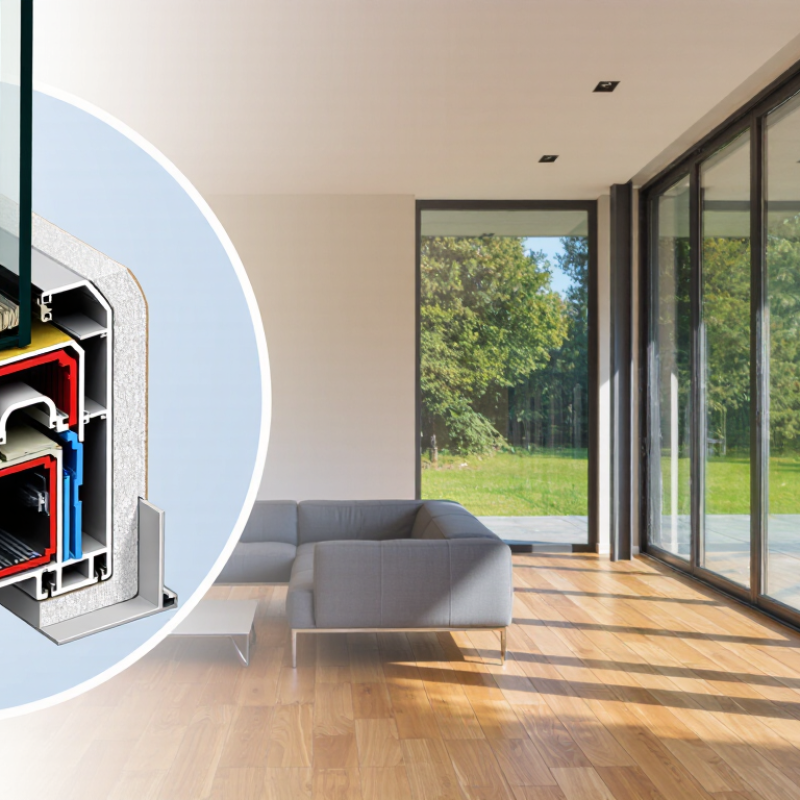
Many modern frames include a thermal break: a low-conductivity strip, often made from polyamide, that separates the inner and outer aluminum sections. This reduces heat transfer through the frame. It does not eliminate heat loss, and performance also depends on glazing, seals, and installation. The parts are assembled, checked for alignment, and finished with powder coating or anodizing to protect the surface. Then glass, gaskets, and opening hardware are fitted.
A useful quality check is to look closely at corner joints, drainage openings, and the meeting line between frame and sash. Smooth finishes are easy to notice; consistent seals are less obvious but just as important. Manufacturing methods vary, so two windows with similar profiles may perform differently. I would not judge a frame by appearance alone. The small tolerances can be fussy.
Why Choose Aluminum Windows for Your Project? — What Aluminum Windows Are and How They Are Made
| Dimension | What It Means | Why It Matters for a Project |
|---|---|---|
| What an aluminum window is | A window whose frame and sash are made primarily from aluminum profiles. The complete unit may also include glass, seals, gaskets, hardware, and other components. | Project performance depends on the complete window assembly, not just the frame material. |
| Frame material | Architectural window profiles are commonly made from extruded aluminum alloys. Alloy 6063 is widely used for architectural extrusions; the exact alloy and temper vary by product. | Extrusion allows profiles to be formed with channels and cavities for glazing, seals, drainage, and hardware. |
| Profile extrusion | Aluminum is heated and pushed through a shaped die to create long profiles with a consistent cross-section. Profiles are then cut to the required lengths. | Profile design determines much of the frame’s geometry and provides spaces for assembly and other window components. |
| Frame assembly | Cut profiles are machined and joined at their corners, often using mechanical fasteners, corner keys, or other system-specific methods. | Accurate cutting and assembly help the frame fit together correctly; fabrication methods differ among window systems. |
| Thermal break | Many thermally improved frames separate interior and exterior aluminum sections with a lower-conductivity material, commonly a polyamide strip. | Aluminum conducts heat readily. A thermal break reduces heat transfer through the frame, but does not eliminate it. |
| Surface finish | Common finishes include anodizing, which creates a protective oxide layer, and powder coating, which applies a durable polymer coating. | Finish selection affects appearance and surface protection. Suitability depends on the environment, specification, and maintenance. |
| Glazing and seals | Glass is fitted into the frame and held in place with system-specific beads, gaskets, or sealants. Units may use single, double, or triple glazing. | Glass type, edge support, seals, and installation all contribute to the window’s thermal, acoustic, and weather performance. |
| Hardware and operation | Hinges, locks, handles, rollers, and other hardware are fitted according to the window style, such as casement, sliding, or fixed. | Hardware affects how the window opens, closes, and locks. It should be appropriate for the unit’s design and expected use. |
| Key advantages | Aluminum frames are relatively light for their strength, can be shaped into slender profiles, and are not susceptible to rot. | These characteristics can suit projects seeking contemporary sightlines, durable frames, or large glazed areas, subject to the system design. |
| Project checks | Review the complete window’s documented air, water, structural, thermal, and acoustic performance, along with local code requirements. | Results vary by design, glazing, size, fabrication, and installation. Compare tested specifications for the actual configuration being considered. |
FAQS
Their frames use shaped aluminum sections, not solid metal blocks. Extrusion forms hollow chambers, grooves, and channels for seals.
Heated aluminum billets are pressed through shaped dies. The profiles are cut, joined at the corners, finished, and fitted with glass and hardware.
It separates the frame’s inner and outer sections with a less conductive strip. This reduces heat transfer, but does not stop it completely.
Strong frames can support broad panes with relatively narrow borders. That can bring more daylight into a room. Slim is not always suitable.
The frame, glass, spacer, seals, and installation all matter. Ask for tested whole-window performance, not just claims about the frame.
Check corner joints, drainage openings, seals, and smooth operation. A sample corner can reveal uneven finishes or gaps.
They resist warping and swelling as temperatures shift. Still, poor sealing can allow air leaks, and coastal sites need finishes suited to salty air.
Aluminum can be recycled, but the environmental benefit depends on local recovery systems and manufacturing. I would not judge a window by appearance alone.
Conclusion
An Aluminum Window is made from lightweight metal sections shaped into durable frames, then finished with protective coatings and fitted with suitable glazing and hardware. Its strength allows slim frame profiles, broad glass areas, and a range of shapes and configurations, making aluminum a flexible choice for both modern and traditional project designs. Frame finishes and opening styles can also be selected to suit a building’s appearance and practical needs.
Aluminum windows offer a strong, low-maintenance option with good durability and design versatility. When specifying them, consider thermal performance, glazing, weather resistance, sound control, security, operating style, finish, and installation requirements. Aluminum may be especially useful where strength and narrow sightlines are priorities, while other frame materials can offer different advantages in insulation, cost, or appearance. Comparing these factors helps project teams choose a window system that fits the building’s performance goals and design.